


Can povidone-iodine be applied to wounds?
Jan 22, 2025
Source: Cainiu Health

Dr. Liu Wenmin
Introduction
In general, povidone-iodine can be applied to wounds. If needed, it is recommended to consult a physician. The main ingredient of povidone-iodine is polyvinylpyrrolidone-iodine complex, which can slowly release iodine molecules. Through an oxidative action, it destroys the cell walls and proteins of bacteria, viruses, and fungi, thereby eliminating pathogens. This gentle antimicrobial mechanism makes it suitable for various types of wounds.
Generally, povidone-iodine can be applied to wounds. If use is required, it is recommended to consult a physician. Detailed analysis is as follows:
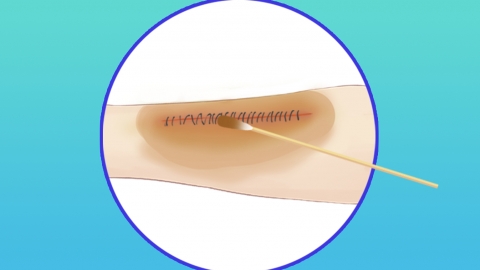
The main component of povidone-iodine is povidone-iodine complex, which can slowly release iodine molecules. Through an oxidative action, it destroys the cell walls and proteins of bacteria, viruses, and fungi, thereby killing pathogens. This gentle antimicrobial mechanism makes it suitable for various types of wounds, including open wounds and wounds on mucous membranes. When using, it is recommended to first clean the wound, removing debris and blood, then gently apply an appropriate amount of povidone-iodine with a sterile swab to the wound and surrounding area to form a protective film and prevent infection.
In addition, povidone-iodine has less irritation compared to other disinfectants and does not cause significant damage to newly formed tissue. Therefore, its use during the early stages of wound healing can effectively reduce the risk of infection while avoiding pain caused by irritation. Using a lower concentration of povidone-iodine and repeatedly wiping and cleaning the wound with a cotton ball containing povidone-iodine can achieve a draining effect, further promoting wound healing.
Wounds should be kept dry to avoid bacterial growth in moist environments. Additionally, friction and pressure on the wound should be minimized as much as possible to prevent exacerbating wound pain and the risk of infection.




