


What causes a persistent phlegm in the throat?
Jan 25, 2025
Source: Cainiu Health

Dr. Lu Cheng
Introduction
Under normal circumstances, possible causes of persistent phlegm in the throat may include increased mucus secretion, weakened swallowing function, chronic pharyngitis, reflux laryngitis, and rhinitis. To prevent this symptom, it is recommended to maintain a healthy lifestyle, eat a balanced diet, avoid spicy and greasy foods, maintain regular sleep patterns, reduce late-night activities, and engage in moderate exercise to strengthen physical health.
Generally, the causes of persistent phlegm in the throat may include increased mucus secretion, weakened swallowing function, chronic pharyngitis, reflux laryngitis, and rhinitis. If discomfort occurs, timely medical consultation is recommended. Detailed analysis is as follows:
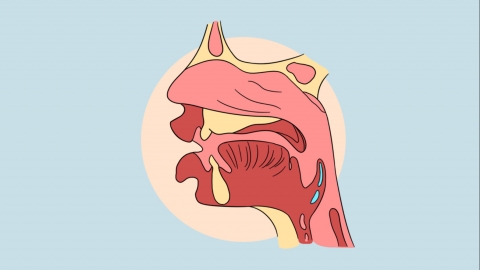
1. Increased Mucus Secretion
The mucous membranes in the throat secrete mucus to keep the throat moist and help remove foreign particles. In conditions such as dry environments, irritating diets, or emotional stress, mucus secretion may increase, causing the sensation of phlegm in the throat. Maintain appropriate indoor humidity and avoid excessive use of air conditioners or heaters.
2. Weakened Swallowing Function
Swallowing not only helps food enter the esophagus but also effectively clears phlegm from the throat. When swallowing function weakens, phlegm may remain in the throat, creating a sensation of phlegm. Strengthen oral and pharyngeal muscle exercises, such as swallowing practice; maintain healthy eating habits and avoid overeating.
3. Chronic Pharyngitis
Chronic pharyngitis is usually caused by repeated episodes of acute pharyngitis, long-term irritation from smoking and alcohol, inhalation of harmful gases, and other factors. The pharyngeal mucosa becomes congested and swollen, with increased secretions, leading to a sensation of phlegm in the throat. Symptoms may also include dryness, heat sensation, and mild pain. Follow medical advice to use medications such as compound borax mouthwash, Yinhuang tablets, or Watermelon Frost lozenges to relieve symptoms.
4. Reflux Laryngitis
Reflux laryngitis may be caused by stomach acid flowing back into the throat, irritating the mucous membranes and causing inflammation. The damaged throat mucosa produces increased secretions, forming phlegm. Symptoms may also include hoarseness, sore throat, and coughing. Under medical guidance, medications such as omeprazole enteric-coated capsules, rabeprazole sodium enteric-coated tablets, or domperidone tablets can be used to inhibit gastric acid secretion, promote gastric motility, and dietary adjustments should be made to avoid triggering factors.
5. Rhinitis
Rhinitis may result from inflammation of the nasal mucosa caused by viral, bacterial, or allergen irritation. Increased nasal secretions may flow through the posterior nasal passages into the throat, forming phlegm. Symptoms usually include nasal congestion, runny nose, and reduced sense of smell. Under medical advice, medications such as budesonide nasal spray, oxymetazoline hydrochloride nasal drops, or ambroxol oral solution can be used to alleviate nasal symptoms, while avoiding allergens and maintaining nasal hygiene.
To prevent this symptom, it is recommended to maintain a healthy lifestyle, eat a balanced diet avoiding spicy and greasy foods, maintain regular sleep patterns avoiding late nights, and engage in moderate exercise to improve physical fitness. Additionally, maintain humid indoor air and avoid excessive dryness; reduce exposure to harmful gases and allergens.





