


Can chestnuts and seafood be eaten together?
Feb 25, 2025
Source: Cainiu Health

Dr. Yu Yongchao
Introduction
Under normal circumstances, chestnuts and seafood can be consumed together. Chestnuts are rich in carbohydrates, protein, dietary fiber, and various vitamins such as B-complex vitamins and vitamin C, as well as minerals like potassium, phosphorus, and iron. These components play important roles in the body, including providing energy, promoting intestinal motility, and maintaining normal nervous system function.
Generally speaking, chestnuts and seafood can be consumed together. The detailed analysis is as follows:
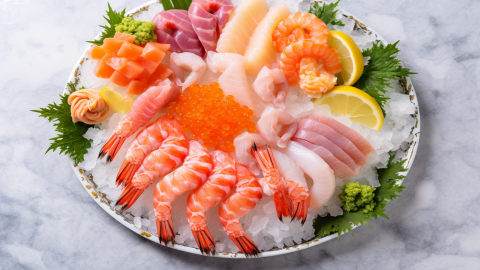
Chestnuts are rich in carbohydrates, protein, dietary fiber, and various vitamins such as B vitamins and vitamin C, as well as minerals including potassium, phosphorus, and iron. These components play crucial roles in providing energy, promoting intestinal motility, and maintaining normal nervous system function. Seafood, on the other hand, is rich in high-quality protein, unsaturated fatty acids, minerals, and vitamins, which help maintain muscle health, promote brain development, and enhance immunity. When consumed together, the nutrients from chestnuts and seafood can complement each other, providing more comprehensive nutritional support for the body.
From a nutritional standpoint, there are no significant contraindications between chestnuts and seafood. When consumed in moderation, their nutrients do not cause adverse effects. On the contrary, both can work together to support normal physiological functions and promote overall health.
Although chestnuts and seafood can be eaten together, excessive consumption may increase the burden on the gastrointestinal tract, leading to digestive issues. Therefore, intake should be adjusted according to individual constitution and health status to avoid overconsumption.





