


Are solid pulmonary nodules more likely to be malignant?
Feb 26, 2025
Source: Cainiu Health

Dr. Ren Yi
Introduction
Pulmonary solid nodules are radiological findings, typically referring to round or oval-shaped areas of increased density in the lungs that may obscure local pulmonary structures such as bronchi and blood vessels. Generally, larger solid pulmonary nodules—those greater than 8 millimeters in diameter—have a higher likelihood of being malignant. Solid nodules with irregular margins, spiculations, or a lobulated shape are also more likely to be malignant.
Solid pulmonary nodules may be malignant or non-malignant. If you experience any discomfort, it is recommended to seek medical attention at a hospital promptly and follow the doctor's instructions for treatment.
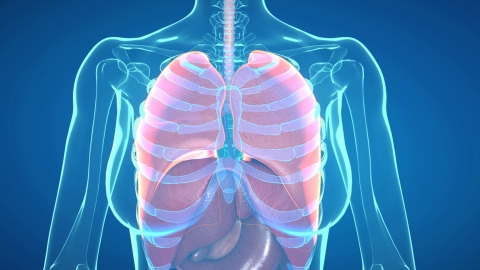
Pulmonary solid nodules represent changes observed radiologically and typically refer to round or oval high-density shadows in the lungs that obscure local pulmonary structures such as bronchi and blood vessels. Generally speaking, larger solid pulmonary nodules—those greater than 8 mm in diameter—are more likely to be malignant. Solid nodules with irregular margins, spiculations, or lobulated shapes are also more likely to be malignant. Solid pulmonary nodules detected in older individuals or long-term smokers are more likely to be malignant. The likelihood of malignancy increases when symptoms such as persistent cough, hemoptysis, or weight loss occur.
Possible causes of benign lesions may include previous infections such as tuberculosis, cryptococcus, or nocardia, common bacterial infections, as well as non-infectious factors such as inflammatory pseudotumor, tuberculoma, granulomas, and pneumoconiosis. These benign conditions may leave behind non-absorbable deposits in the lungs, forming solid nodules. Solid nodules smaller than 1 cm are often benign, including inflammatory pseudotumors and lesions such as calcifications or proliferative changes.
It is recommended to undergo appropriate examinations, such as complete blood count, chest CT, and chest X-ray, and to follow medical guidance for targeted treatment. Even small nodules with a high likelihood of being benign should be regularly followed up to monitor any changes.




