


Can seafood and vegetables be eaten together?
Feb 27, 2025
Source: Cainiu Health

Dr. Yu Yongchao
Introduction
Under normal circumstances, seafood and vegetables can be eaten together. Seafood and vegetables are nutritionally complementary. Seafood is rich in protein, unsaturated fatty acids, and trace elements, while vegetables contain abundant vitamins, minerals, and dietary fiber. Combining seafood and vegetables in a balanced way can achieve comprehensive and balanced nutrition, promoting overall health.
Generally speaking, seafood and vegetables can be eaten together, but attention should be paid to controlling the amount consumed. Detailed analysis is as follows:
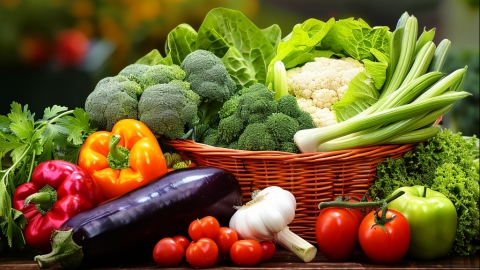
Seafood and vegetables are nutritionally complementary. Seafood is rich in protein, unsaturated fatty acids, and trace elements, while vegetables contain abundant vitamins, minerals, and dietary fiber. Reasonably combining seafood with vegetables can achieve a balanced intake of nutrients and promote health. For example, pairing shrimp with vegetables such as broccoli and carrots can provide rich protein while increasing the intake of vitamins and minerals.
However, seafood contains relatively high levels of purines, excessive consumption of which may affect uric acid levels and potentially trigger or worsen gout symptoms. Additionally, as vegetables are high in dietary fiber, overconsumption may place excessive burden on the gastrointestinal tract, potentially causing bloating, abdominal pain, diarrhea, and other issues. Therefore, it is recommended to consume seafood and vegetables in moderation as part of daily diet.
In daily meals, it is advisable to consume a variety of foods in appropriate amounts, pay attention to food freshness and cooking methods, and enjoy delicious food while also supporting good health.



