


Why is chrysanthemum tea not suitable for individuals with a cold body constitution?
Mar 03, 2025
Source: Cainiu Health

Dr. Zhang Xiuhong
Introduction
Under normal circumstances, chrysanthemum tea is not suitable for individuals with a cold body constitution due to reasons such as exacerbating the cold constitution, affecting spleen and stomach function, causing blood and qi stagnation, triggering respiratory issues, and impairing sleep quality. Individuals with a cold body constitution should consume chrysanthemum tea cautiously to avoid adverse effects on health. If one intends to regulate their health through herbal teas, it is recommended to consult a physician and choose beverages suitable for their specific body type.
Generally, chrysanthemum tea is not suitable for individuals with a cold constitution due to reasons such as exacerbating the cold constitution, affecting spleen and stomach function, causing blood and qi stagnation, triggering respiratory issues, and impairing sleep quality. A detailed explanation is as follows:
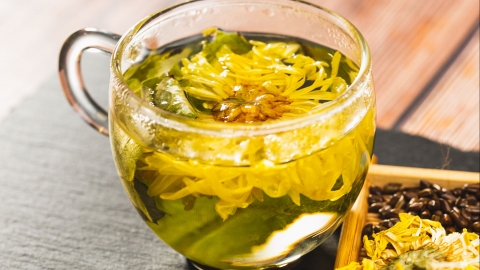
1. Exacerbating the Cold Constitution
Chrysanthemum tea has a cold and cooling nature. Individuals with a cold constitution inherently have relatively insufficient yang energy, often experiencing symptoms such as cold hands and feet, sensitivity to cold, and loose stools. Drinking chrysanthemum tea further damages the body's yang energy, worsening cold symptoms and increasing bodily weakness, thus affecting overall health.
2. Affecting Spleen and Stomach Function
Cold foods easily harm the yang energy of the spleen and stomach. Individuals with a cold constitution often have relatively weak spleen and stomach function. Drinking chrysanthemum tea may further damage the yang energy of the spleen and stomach, impairing their digestive and transformative functions, leading to indigestion, poor appetite, abdominal distension, and pain. Long-term consumption may trigger spleen and stomach disorders.
3. Causing Blood and Qi Stagnation
Coldness has a stagnating characteristic, and individuals with a cold constitution may already have impaired circulation of blood and qi. Drinking chrysanthemum tea may further stagnate blood and qi in the body, worsening the condition and causing gynecological problems such as dysmenorrhea and irregular menstruation, or leading to limb pain and numbness.
4. Triggering Respiratory Issues
Individuals with a cold constitution generally have lower immunity and are more susceptible to external pathogens. Excessive consumption of chrysanthemum tea may further weaken the body's yang energy and reduce resistance to external pathogens, particularly weakening the respiratory defenses, making individuals more prone to respiratory illnesses such as colds, coughing, and asthma, and recovery from illness may also be slower.
5. Affecting Sleep Quality
Individuals with a cold constitution who consume chrysanthemum tea may experience worsened physical discomfort that affects sleep. Abdominal discomfort caused by a weak and cold spleen and stomach or bodily pain due to blood and qi stagnation may make it difficult to fall asleep, cause light sleep, or frequent awakenings. Prolonged consumption can significantly reduce sleep quality.
Individuals with a cold constitution should consume chrysanthemum tea cautiously to avoid adverse effects on the body. If intending to adjust the body condition through tea consumption, it is recommended to consult a physician and choose beverages suitable for one's own constitution.






