


Can bananas and rice be eaten together?
May 27, 2025
Source: Cainiu Health

Dr. Shen Yonghua
Introduction
Bananas are rich in carbohydrates, dietary fiber, vitamins, minerals, and bioactive compounds. Rice is a staple food primarily composed of carbohydrates, providing the body with a significant amount of energy and serving as an important energy source for maintaining normal bodily functions. Combining the two can achieve nutritional complementarity. Rice supplies basic energy, while bananas supplement various vitamins, minerals, and dietary fiber.
Under normal circumstances, bananas and rice can be consumed together, but the quantity should be controlled. The detailed analysis is as follows:
Bananas are rich in carbohydrates, dietary fiber, vitamins, minerals, and bioactive components. Rice, as a staple food, primarily consists of carbohydrates and provides significant energy, serving as a crucial energy source for maintaining normal body functions. When combined, these two foods can complement each other nutritionally. Rice supplies basic energy, while bananas contribute various vitamins, minerals, and dietary fiber, promoting a balanced nutrient intake.
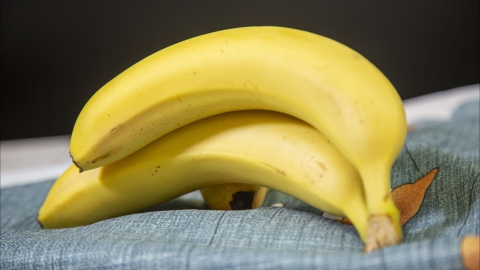
Bananas have a soft texture, making them easily digestible and absorbable. They also contain a certain amount of pectin and other dietary fibers, which can help regulate intestinal function to some extent. However, bananas contain relatively high levels of sugar and are digested relatively quickly.
As a staple food, rice is digested more steadily, providing continuous energy supply to the body. Starch is gradually broken down into glucose by digestive enzymes in the human body and then absorbed and utilized.
When consumed together, the rapid digestion feature of bananas allows for quick energy replenishment, while rice ensures a steady energy supply. This combination helps maintain the body's energy balance and prevents significant blood sugar fluctuations. Additionally, the dietary fiber in bananas can promote the digestion and absorption of starch from rice.
Bananas and rice are both common foods. Under normal consumption amounts and pairing methods, they do not produce substances harmful to the human body. It is safe to consume them together. It is recommended to reasonably control the intake based on individual physical condition, activity level, and dietary needs.



