Can I donate blood if I have high uric acid levels?
Jun 20, 2025
Source: Cainiu Health

Dr. Liu Feng
Introduction
In general, if the only issue is elevated uric acid levels without any other complications, blood donation is usually acceptable. However, if there are accompanying conditions such as gout attacks, joint pain, or abnormal kidney function, then blood donation should not be undertaken. Prior to donating blood, a medical examination and initial blood screening are required, and healthcare professionals will conduct a comprehensive assessment. A detailed analysis is as follows:
Generally, if the only issue is elevated uric acid without other complications, blood donation is usually acceptable. However, if there are accompanying problems such as gout attacks, joint pain, or abnormal kidney function, blood donation should not be performed. Before donating blood, individuals must undergo a physical examination and preliminary blood screening, and healthcare professionals will conduct a comprehensive evaluation. Detailed analysis is as follows:
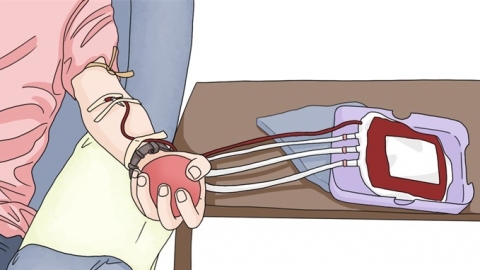
If the elevation of uric acid is isolated and there are no other conditions such as gout attacks, joint pain, or abnormal kidney function, blood donation is generally permissible. Elevated uric acid mainly reflects a disturbance in purine metabolism. As long as the donor's routine blood tests, liver function, and infectious disease markers meet the standards for blood donation and the individual's overall health status is good, donating blood typically poses no adverse effects to the donor's health or the recipient's safety.
When elevated uric acid is accompanied by conditions such as gout attacks, joint pain, or abnormal kidney function, blood donation is not recommended. During a gout attack, the body is in an inflammatory state, and joint pain indicates localized injury and discomfort. Abnormal kidney function implies problems with the body's metabolic and excretory functions. These conditions affect the donor's health status, making them ineligible to meet blood donation requirements. Furthermore, these abnormalities may indicate underlying disease risks, and donating blood might increase the physical burden, hinder personal recovery, and potentially compromise the blood quality, thereby affecting the recipient.
Regardless of whether individuals with elevated uric acid can donate blood (isolated elevation) or cannot donate blood (with additional complications), they should all pay attention to their uric acid levels in daily life. They can appropriately increase water intake to promote uric acid excretion, avoid high-purine foods such as organ meats and seafood, and regularly recheck uric acid and related indicators. For those with elevated uric acid who are eligible to donate blood, they should ensure adequate sleep before donation, avoid donating on an empty stomach, rest appropriately after donation, and refrain from strenuous exercise.