


What causes a newborn's lips to turn purple?
Jun 30, 2025
Source: Cainiu Health

Dr. Zhou Xiaofeng
Introduction
Under normal circumstances, a newborn's lips turning purple may be caused by cold stimulation, localized pressure, contact cheilitis, iron-deficiency anemia, neonatal pneumonia, or other reasons. If any discomfort occurs, please seek medical attention promptly and undergo symptomatic treatment under the guidance of a qualified physician. In daily care, high-risk behaviors should be avoided; do not allow the newborn to bite hard objects for extended periods, in order to reduce the risk of mechanical injury to the lips.
In general, newborns may develop purple lips due to cold stimulation, localized pressure, contact cheilitis, iron deficiency anemia, neonatal pneumonia, or other causes. If there are any discomforts, seek medical attention promptly and receive symptomatic treatment under the guidance of a qualified physician. Detailed analysis is as follows:
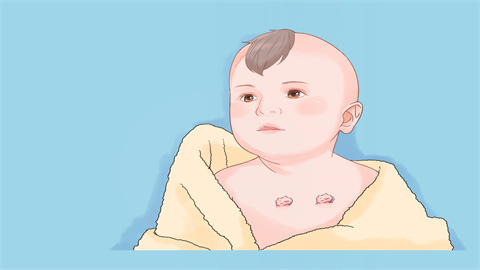
1. Cold Stimulation
The thermoregulatory center in newborns is not fully developed. In cold environments, peripheral blood vessels constrict to reduce heat loss, resulting in decreased blood flow and insufficient oxygenation in the lips. Proper warming should be provided, maintaining an ambient temperature of 24–26°C, and swaddling may be used.
2. Localized Pressure
When newborns are sleeping or being held, pressure on the lips may lead to impaired blood circulation and temporary cyanosis. It is recommended to adjust the position and relieve the pressure, after which the lip color will gradually return to normal. Parents should observe the newborn's posture regularly and avoid prolonged pressure on the same area.
3. Contact Cheilitis
Contact cheilitis occurs as an allergic reaction to irritant substances. Inflammation causes local vasodilation, resulting in purple lips. Symptoms may also include lip redness, swelling, and peeling. Treatment may include topical medications such as hydrocortisone cream, loratadine syrup, or tacrolimus ointment, as directed by a physician.
4. Iron Deficiency Anemia
Iron deficiency anemia results from insufficient iron intake or impaired absorption, leading to reduced hemoglobin levels and decreased oxygen-carrying capacity, causing lips to appear bluish-purple. It may also be accompanied by pallor, loss of appetite, and other symptoms. Patients may take medications such as ferrous sulfate syrup for children, compound ferrous gluconate granules for children, or iron protein succinate oral solution, as prescribed by a doctor.
5. Neonatal Pneumonia
Neonatal pneumonia is often caused by bacterial, viral, or mycoplasma infection invading the lungs through intrauterine, intrapartum, or postpartum routes, leading to inflammatory response and impaired gas exchange, thus causing the above symptoms. Other symptoms may include fever and cough. Patients may take medications such as amoxicillin-clavulanate potassium dry suspension, ribavirin granules, ambroxol hydrochloride oral solution, etc., as advised by a physician.
High-risk behaviors should be avoided in daily life, such as allowing newborns to bite hard objects for prolonged periods, to reduce the risk of mechanical injury to the lips.






