


Can patients with gout eat lychee?
Jul 05, 2025
Source: Cainiu Health

Dr. Yang Tiesheng
Introduction
Long-term control of serum uric acid at the target level, along with a period of time without gout attacks, allows for limited consumption of lychee. Lychee is a low-purine fruit, containing less than 10 mg of purines per 100 grams of pulp; moderate consumption will not significantly increase uric acid production. At the same time, lychee is rich in nutrients such as vitamin C and glucose, which can provide energy needed by the body.
Generally, gout patients can moderately consume lychees when their blood uric acid levels are well-controlled and the condition is stable. However, lychees are not recommended when blood uric acid levels are high or during an acute gout attack. If in doubt, it is advisable to seek medical consultation in advance. Detailed explanations are as follows:
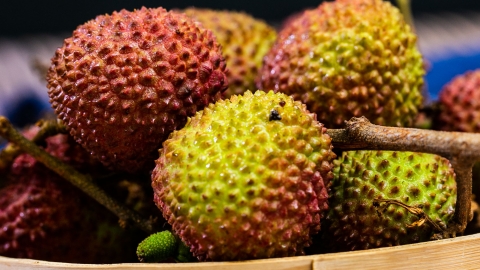
When blood uric acid levels have been consistently maintained within the target range for a period and there has been no gout flare-up, a small amount of lychee consumption is acceptable. Lychees are considered low-purine fruits, with less than 10 mg of purines per 100 g of pulp. Moderate consumption will not increase uric acid production. Additionally, lychees are rich in nutrients such as vitamin C and glucose, which can supply necessary energy to the body. It is recommended not to consume more than 10 lychees per day to avoid elevated uric acid levels due to excessive fructose intake.
During an acute gout attack, when symptoms such as redness, swelling, heat, and pain in the joints occur, or if blood uric acid levels are significantly above the target value, lychees should not be consumed. Lychees contain relatively high levels of fructose, which can promote purine metabolism and accelerate uric acid production when consumed in large quantities, thereby increasing blood uric acid concentration. During an acute gout attack, the body's inflammatory response is strong, and consuming lychees may worsen the condition and delay recovery. Patients should strictly follow a low-purine diet and prioritize vegetables and fruits with even lower purine content and higher water content.
Gout patients should closely monitor their blood uric acid levels and disease status when consuming lychees. If discomfort or fluctuations in blood uric acid levels occur after consumption, dietary adjustments should be made promptly. Maintaining adequate hydration to promote uric acid excretion, combined with regular exercise and standardized treatment, is essential for managing gout.





