


How large does a uterine fibroid need to be for surgery to be required?
Jul 11, 2025
Source: Cainiu Health

Dr. Zhang Lu
Introduction
In general, whether surgery is required for uterine fibroids does not solely depend on the size of the fibroid, but rather involves comprehensive consideration of multiple factors. However, if a uterine fibroid exceeds 5 centimeters in size, surgical intervention should be considered. When the diameter of a uterine fibroid is greater than 5 centimeters, especially if it is submucosal or intramural, it may compress adjacent organs, leading to symptoms such as frequent urination, constipation, or pain, and surgery would then be necessary.
Generally speaking, whether uterine fibroids require surgical treatment does not solely depend on the size of the fibroid, but rather involves comprehensive consideration of multiple factors. However, if a uterine fibroid exceeds 5 centimeters in diameter, surgery should be considered. Detailed analysis is as follows:
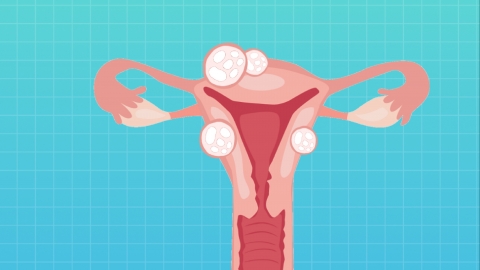
If a uterine fibroid exceeds 5 centimeters in diameter, especially if it is submucosal or intramural, it may compress adjacent organs, causing symptoms such as frequent urination, constipation, or pain, and surgery may then be necessary. Additionally, if the fibroid grows rapidly within a short period or continues to grow after menopause, there may be a risk of malignancy, which also warrants surgical intervention. Even if the fibroid is not large, if its location is particularly problematic—for example, a large subserosal fibroid with a risk of torsion—surgery may also be required.
For uterine fibroids that are asymptomatic or cause only mild symptoms and do not meet the surgical criteria based on size, conservative management or regular monitoring is usually recommended. This may include medical therapy and lifestyle modifications.
To avoid unnecessary harm to the body, it is recommended to undergo a detailed evaluation under the guidance of a qualified physician in order to determine an individualized treatment plan.


