What are the causes of uterine hypertrophy?
Aug 20, 2025
Source: Cainiu Health

Dr. Zhang Lu
Introduction
In general, uterine enlargement may be caused by multiple pregnancies and deliveries, hormonal stimulation during the reproductive years, chronic uterine inflammation, adenomyosis, uterine fibroids, and other factors. It is recommended to seek timely medical attention, identify the underlying cause, and then improve the condition under a doctor's guidance through general treatment, medication, surgical treatment, and other approaches. In daily life, it is important to maintain a light diet and reduce the intake of spicy and irritating foods.
Generally, uterine enlargement may be caused by multiple pregnancies and deliveries, hormonal stimulation during the reproductive years, chronic uterine inflammation, adenomyosis, or uterine fibroids. It is recommended to seek timely medical consultation to determine the underlying cause and, under a physician's guidance, improve the condition through general treatment, medication, surgery, or other methods. Detailed explanations are as follows:
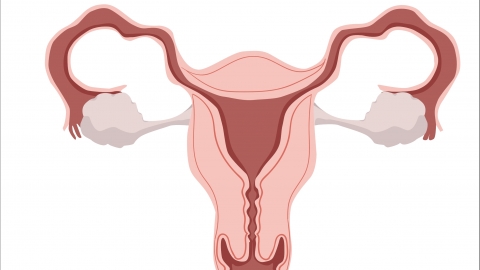
1. Multiple pregnancies and deliveries: During multiple pregnancies and childbirth, the uterine muscle layer undergoes stretching and expansion, which may not fully recover postpartum, leading to thickening of the uterine muscle layer and an enlarged uterus. Sufficient rest after childbirth is necessary, with avoidance of heavy physical labor too early; postpartum rehabilitation exercises such as Kegel exercises should be consistently practiced to promote uterine contraction and recovery, and regular gynecological examinations should be conducted to monitor uterine morphology.
2. Hormonal stimulation during the reproductive years: In women of reproductive age, robust estrogen secretion can, over time, stimulate the uterine muscle layer, promoting fibrous tissue proliferation and resulting in uterine enlargement. In daily life, health products containing estrogen, such as propolis and royal jelly, should be avoided; maintain a regular sleep-wake cycle, avoid staying up late, and regulate endocrine function through physical activities such as brisk walking and yoga.
3. Chronic uterine inflammation: Chronic inflammation of the uterus caused by bacterial or chlamydial infection leads to long-term stimulation of the uterine muscle layer, resulting in hyperplasia and thickening of the muscle layer, often accompanied by lower abdominal pain and increased vaginal discharge. Patients should follow medical advice to take antibiotics such as cefixime dispersible tablets, metronidazole tablets, and doxycycline hydrochloride tablets to combat infection.
4. Adenomyosis: The invasion of endometrial tissue into the uterine muscle layer causes fibrous tissue proliferation in the muscle layer, resulting in uniform uterine enlargement, often accompanied by dysmenorrhea and increased menstrual flow. Patients should follow medical advice to use medications such as gestrinone capsules, danazol capsules, or leuprolide acetate microspheres for injection to alleviate symptoms.
5. Uterine fibroids: Uterine fibroids are formed by abnormal proliferation of uterine muscle cells. As fibroids grow, the overall size of the uterus increases, often accompanied by prolonged menstruation and abdominal masses. If the fibroid diameter exceeds 5 cm, laparoscopic myomectomy can be performed to remove the fibroid tissue and restore the uterus to its normal size.
In daily life, maintain a light diet and reduce the intake of spicy and irritating foods. Avoid excessive fatigue and maintain emotional stability. Comprehensive nursing care can assist in managing uterine enlargement and maintaining reproductive health.