


What are the benefits and contraindications of saffron?
Sep 05, 2025
Source: Cainiu Health

Dr. Sun Lianqing
Introduction
The effects of saffron generally include promoting blood circulation to remove blood stasis, cooling the blood to detoxify, relieving depression and calming the mind, regulating liver function, and assisting in improving circulation. Contraindications generally include prohibition for pregnant women, caution for those with excessive menstrual bleeding, caution for those with yin deficiency and internal heat, prohibition for those with a tendency to bleed, and avoidance of excessive use. Saffron can promote the circulation of qi and blood, thereby improving conditions such as chest and rib distension and pain, and traumatic injuries caused by stagnation of qi and blood.
The general functions of saffron (Crocus sativus) include promoting blood circulation and removing blood stasis, cooling blood and detoxifying, relieving depression and calming the mind, regulating liver function and smoothing qi flow, and assisting in improving circulation. Contraindications generally include prohibition for pregnant women, caution for those with excessive menstrual bleeding, caution for individuals with yin deficiency and excessive internal heat, prohibition for those with bleeding tendencies, and avoiding excessive use. Detailed explanations are as follows:
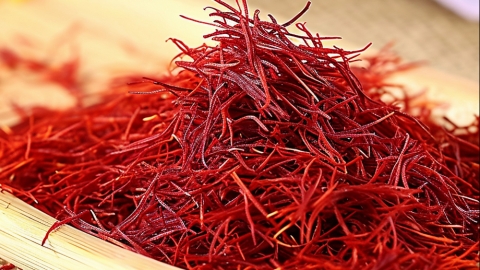
I. Functions
1. Promoting blood circulation and removing blood stasis: Saffron can enhance blood flow and improve symptoms caused by blood stasis, such as chest and rib pain and traumatic injuries, helping to clear internal blockages.
2. Cooling blood and detoxifying: It has the effect of clearing heat and cooling blood, suitable for symptoms such as dark purple rashes caused by heat entering the blood system in febrile diseases, assisting in eliminating internal heat toxins.
3. Relieving depression and calming the mind: Saffron can relieve liver qi stagnation, alleviate irritability, insomnia, anxiety, and depression caused by emotional distress, and help regulate mental status.
4. Regulating liver function and smoothing qi flow: It can regulate liver qi, improve discomfort caused by liver qi stagnation such as chest tightness, rib pain, and belching, and assist in maintaining stable liver function.
5. Assisting in improving circulation: Saffron can promote systemic blood circulation and increase blood supply to tissues, providing certain supportive benefits for improving poor peripheral circulation.
II. Contraindications
1. Prohibited for pregnant women: Saffron has a strong effect in promoting blood circulation and removing blood stasis, which can stimulate uterine contractions and easily cause miscarriage; therefore, it is strictly prohibited for pregnant women.
2. Caution for those with excessive menstrual bleeding: Its blood-activating effect may further increase menstrual flow, potentially causing anemia; individuals with heavy menstrual bleeding should avoid its use.
3. Caution for individuals with yin deficiency and excessive internal heat: Saffron has a slightly warming nature; individuals with yin deficiency and internal heat accompanied by symptoms such as dry mouth and throat, night sweats, and潮热 (tidal fever) may experience exacerbated internal heat after using it.
4. Prohibited for those with bleeding tendencies: Individuals with coagulation disorders, gastrointestinal bleeding, or similar conditions face an increased risk of bleeding after using saffron and must strictly avoid its use.
5. Avoid excessive use: Overdose of saffron may cause toxic reactions such as nausea, vomiting, and dizziness; in severe cases, it may damage the nervous system, so dosage must be strictly controlled.
Before using saffron, one must clearly understand their own body constitution and must determine the method and dosage under the guidance of a TCM practitioner. Self-purchasing and consumption are not recommended. If used for daily regulation, it should be used in small amounts for a short duration, avoiding long-term consumption.





