


How to apply medication for anal fissure
Nov 11, 2025
Source: Cainiu Health

Dr. Li Jingxiang
Introduction
To apply medication for anal fissures, one generally needs to first clean the perianal skin, adopt an appropriate position for application, use specialized tools to assist in applying the medication, control the depth and amount of medication, and keep the area dry after application. Before applying the medication, wash the perianal area with warm water to remove residual feces and secretions, preventing bacterial contamination of the wound. After washing, gently pat the area dry with a soft towel or tissue—do not rub vigorously.
Medication application for anal fissures generally requires cleaning the perianal skin, choosing an appropriate posture for application, using specialized tools to assist in applying the medication, controlling the depth and amount of medication, and keeping the area dry after application. A detailed explanation is as follows:
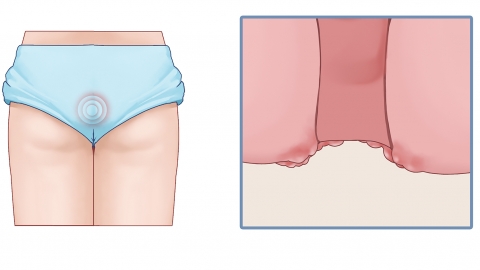
1. Clean the perianal skin: Before applying medication, wash the perianal area with warm water to remove residual feces and secretions, preventing bacterial contamination of the wound. Gently pat the area dry with a soft towel or tissue afterward—do not rub vigorously, to avoid aggravating pain or causing further injury due to friction. Ensure the area is clean and dry before medication application.
2. Choose an appropriate posture for medication application: Lie on your side with both knees bent toward the abdomen, or adopt a squatting position, to fully expose the perianal skin and facilitate easy application. Avoid standing while applying medication, as this may cause the medication to drip off due to gravity and increase tension on the wound, leading to discomfort.
3. Use specialized tools to assist in medication application: For ointments, use the disposable applicator provided with the medication or a clean cotton swab to take the medicine. Evenly coat the cotton swab or applicator with the ointment, then gently apply it to the anal fissure wound and surrounding skin. Avoid direct application with fingers.
4. Control the depth and amount of medication: The recommended depth of application is about 1–2 cm; inserting too deeply may irritate the intestinal mucosa and cause discomfort. Follow medical instructions regarding dosage—typically, a thin, even layer covering the wound surface is sufficient. Avoid excessive application, which may lead to local irritation due to medication buildup.
5. Keep the area dry after application: Remain in the same position for 1–2 minutes after applying the medication to allow adequate absorption, then slowly change positions. If concerned about soiling clothes, place a clean gauze pad or medical liner over the area. Avoid prolonged sitting or strenuous activity immediately after application to minimize friction and loss of medication, thereby maintaining its effectiveness.
During the treatment period, strictly follow medical instructions regarding timing and dosage. Do not adjust or discontinue medication without consulting a healthcare provider. If symptoms such as increased redness, swelling, or itching occur after application, seek medical advice promptly to adjust the treatment plan.





