


Is yellow rice safe to eat?
Dec 08, 2025
Source: Cainiu Health

Dr. Huang Yuhong
Introduction
In general, whether yellow-colored rice is safe to eat depends on the specific cause of the discoloration. If you have any concerns or experience physical discomfort, it is recommended to seek medical attention or consult a professional promptly. When cooking rice, control the amount of water properly to avoid rice that is too watery or too dry. Cooked rice should be consumed within the same day if possible; any leftovers should be refrigerated promptly. Before consuming again, reheat thoroughly.
Generally speaking, whether yellowish rice is edible depends on the specific cause of the discoloration. If in doubt or if physical discomfort occurs, it is recommended to seek medical attention or consult a professional promptly. The detailed analysis is as follows:
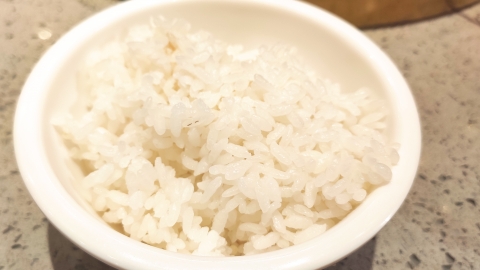
If the rice turns yellow because yellow rice, brown rice, or other similar varieties are used, or because yellow ingredients such as pumpkin or carrot were added during cooking, and if the rice remains dry, odorless, non-sticky, and unclumped, it is perfectly safe to eat. Such rice may even offer richer flavor and enhanced nutrition.
However, if the rice was originally made from white rice but has turned yellow and developed an off smell—such as sourness or moldiness—with a sticky or stringy surface, or even visible mold spots, it should not be consumed. This likely indicates spoilage due to the growth of harmful microorganisms like mold, which could lead to gastrointestinal discomfort if ingested.
When cooking rice, control the amount of water appropriately to avoid overly soggy or dry rice. Ideally, consume cooked rice on the same day. Store leftovers promptly in the refrigerator. Before consuming again, reheat thoroughly. Discard any rice that has been stored for too long; do not compromise health for the sake of saving food.


