


Can people with kidney stones eat apples?
Dec 29, 2021
Source: Cainiu Health

Dr. Zhao Xinju
Introduction
For patients, maintaining healthy dietary habits is extremely important. Patients with kidney stones may consume apples, which primarily consist of sugars, coarse dietary fiber, and a high water content—making them suitable for stone patients. After passing a stone, all stone-forming patients should undergo stone composition analysis to effectively determine which foods should be consumed in moderation.
A patient’s dietary habits directly impact their physical health. For individuals with calculi (stones), adjusting dietary patterns is essential to effectively improve their overall health condition.
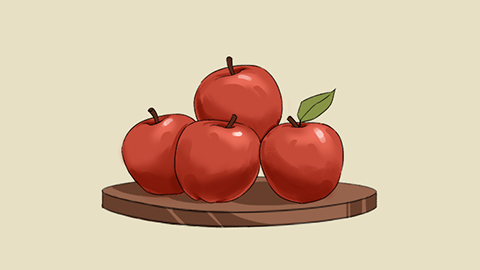
Can patients with calculi eat apples?
Maintaining healthy eating habits is critically important for patients. Patients with calculi may consume apples, as apples consist primarily of sugars, dietary fiber, and abundant water—nutrients that are generally safe and beneficial for such patients. Following stone passage, all patients should undergo stone composition analysis to determine which foods should be consumed more frequently, which should be limited, and which must be avoided entirely. Additionally, all patients with calculi should maintain a daily fluid intake exceeding 2,000 mL—a simple yet highly effective preventive measure. For patients with oxalate stones, it is recommended to limit intake of foods such as tomatoes, asparagus, and peanuts. Patients with uric acid stones should restrict purine-rich foods—including organ meats—and all stone-forming patients should avoid excessive intake of sodium and protein.
The first-line diagnostic step is fasting abdominal ultrasound imaging of the liver, gallbladder, pancreas, and spleen to assess gallbladder status. Findings such as gallbladder enlargement, irregular or thickened gallbladder wall, numerous hard gallstones without residual cavity, and associated symptoms—including upper abdominal discomfort, tenderness, rebound tenderness, persistent pain, radiation of pain to the back, fever, nausea, and vomiting—indicate that cholecystectomy is the primary treatment option. Medical management or targeted symptomatic therapy (e.g., intramuscular injections) may be considered secondarily.
In summary, if a patient develops calculi, an initial conservative approach—increasing fluid intake and promoting frequent urination—may help expel small stones spontaneously. Generally, this strategy is appropriate for smaller stones and younger patients.
We hope the above information is helpful. Wishing you good health and happiness!






