


What Is the Best Treatment for Polycystic Ovary Syndrome (PCOS) in Women?
Jan 06, 2022
Source: Cainiu Health
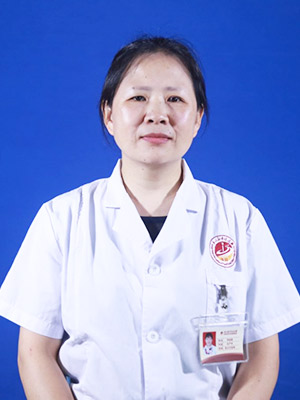
Dr. Deng Xuanbi
Introduction
General management: Patients should actively engage in physical exercise, reduce intake of high-fat and high-sugar foods, and achieve weight loss. These measures help lower androgen levels and facilitate the restoration of ovulation. Pharmacological treatment: Given that chronic anovulation and hyperandrogenism are the hallmark features of this condition, conventional drug therapy addresses both aspects.
Polycystic ovary syndrome (PCOS) is a relatively common ovarian disorder among women and a multifaceted condition that adversely affects female patients in numerous ways—such as causing menstrual irregularities, obesity, and even infertility, thereby impairing reproductive function. Therefore, timely treatment of PCOS is essential.

What Is the Optimal Treatment for PCOS in Women?
General Management
Patients should actively engage in regular physical exercise, reduce intake of high-fat and high-sugar foods, and aim to achieve healthy weight loss. Such lifestyle modifications help lower androgen levels and promote the resumption of normal ovulation.
Pharmacological Therapy
Given that the hallmark features of PCOS are chronic anovulation and hyperandrogenism, conventional pharmacological treatment targets two main aspects: ovulation induction and anti-androgen therapy. Although some patients may resume ovulation with medication, clinical practice often reveals several drawbacks—including high ovulation rates coupled with low pregnancy rates, increased risk of ovarian hyperstimulation syndrome (OHSS), and higher incidence of multiple pregnancies.
Moreover, PCOS can be classified into various subtypes based on underlying pathophysiology—for example, hyperandrogenic acne-type, elevated dehydroepiandrosterone (DHEA) type, hyperprolactinemic type, hyperinsulinemic type, obesity-associated type, elevated 17-hydroxyprogesterone type, and hyperestrogenic type. Accordingly, treatment must be individualized according to the specific etiology and subtype.
Surgical Intervention
Minimally invasive surgery offers an effective therapeutic approach for PCOS, opening a new avenue for its management. This technique overcomes many limitations of traditional treatments and brings renewed hope to numerous women seeking both fertility and aesthetic well-being. Not only does it enable rapid transition from pathological appearance to healthy vitality, but it also resolves long-standing infertility challenges. Laparoscopic ovarian drilling and laparoscopic ovarian wedge resection involve creating one to three small incisions (0.5–1.0 cm in diameter) on the abdominal wall through which specialized optical endoscopes are inserted for diagnostic evaluation and surgical intervention.
Under laparoscopic guidance, surgeons can directly visualize pelvic and abdominal structures magnified up to 20-fold on a video monitor, allowing prompt and accurate diagnosis and immediate performance of necessary surgical procedures. The need for open laparotomy is extremely rare. Minimally invasive techniques minimize abdominal wall trauma, resulting in barely perceptible postoperative scarring, minimal wound pain, and rapid recovery—patients typically discharge within three days after surgery. Following laparoscopic ovarian drilling, ovarian tunica albuginea thins, facilitating oocyte release; pregnancy rates exceed 90% within six months postoperatively.
We hope the above information is helpful to you. Wishing you a joyful and fulfilling life.






