


Can Traditional Chinese Medicine (TCM) treat hypothyroidism?
Jan 19, 2022
Source: Cainiu Health
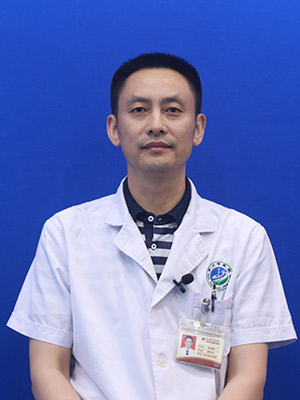
Dr. Zhang Junfeng
Introduction
Spleen-Kidney Yang Deficiency Pattern: Patients present with fatigue, lethargy, excessive sleepiness, diminished memory, tinnitus or hearing loss, soreness and coldness in the lower back and knees, aversion to cold, cold limbs, a white, greasy tongue coating, and a deep, fine or deep, slow pulse. The prescribed formula is modified Sijunzi Tang (Four Gentlemen Decoction) combined with Yougui Wan (Right-Returning Pill).
Heart-Kidney Yang Deficiency Pattern: Patients present with palpitations, cardiac anxiety, chest tightness, oppressive or stabbing chest pain, mental fatigue, and excessive drowsiness.
Hypothyroidism is commonly treated in clinical practice using both traditional Chinese medicine (TCM) and Western pharmaceuticals.

Can Traditional Chinese Medicine Treat Hypothyroidism?
TCM treatment is based on syndrome differentiation:
1. Spleen-Kidney Yang Deficiency: Patients present with fatigue, excessive sleepiness and lethargy, impaired memory, tinnitus or hearing loss, soreness and coldness in the lower back and knees, aversion to cold, cold limbs, a white and greasy tongue coating, and a deep, thin or deep-slow pulse. The recommended formula is modified Si Jun Zi Tang (Four Gentlemen Decoction) combined with You Gui Wan (Right-Returning Pill).
2. Heart-Kidney Yang Deficiency: Patients exhibit palpitations, chest tightness or oppressive pain, mental fatigue and drowsiness, and a deep-slow or irregular (intermittent or nodal) pulse. The recommended formula is modified Gui Zhi Gan Cao Tang (Cinnamon Twig and Licorice Decoction) combined with Jin Kui Shen Qi Wan (Golden Cabinet Kidney Qi Pill).
3. Yang Collapse: This pattern is commonly seen in patients with myxedema coma, presenting with unconsciousness, cold extremities, weak voice and shallow breathing, flaccid muscle tone, and a barely perceptible (faint) pulse. The recommended formula is modified Si Ni Tang (Frigid Extremities Decoction). TCM treatment must be individualized according to the patient’s specific symptoms, with appropriate modifications to the herbal formula.
Western pharmacological treatment: e.g., levothyroxine. Dosage must be determined under physician supervision.
Hypothyroidism—i.e., hypothyroidism—is a clinical syndrome caused by insufficient thyroid hormone production, resulting in decreased metabolic activity throughout the body. When onset occurs in adulthood, it is termed “adult-onset hypothyroidism”; when it develops during embryonic development or infancy, it severely impairs brain development and physical growth, and is known as “cretinism.” Characteristic clinical manifestations include myxedematous facial features, apathy, delayed responsiveness, and pallor.
Dietary recommendations emphasize high-vitamin, high-protein, and high-calorie foods, such as eggs, fish, and soy products (e.g., yellow soybeans). Consumption of raw, cold foods should be minimized. Foods that may induce goiter—such as cabbage, cassava, and walnuts—should be avoided.
Patients should balance rest and moderate physical activity, engage in appropriate exercise, and take care to stay warm and avoid exposure to cold.
Immediate hospital referral is required if severe acute infection, serious psychiatric symptoms, pleural or ascitic effusions, pericardial effusion, refractory angina pectoris, heart failure, or myxedema coma develop.
We hope the above information is helpful to you. Wishing you a happy and healthy life!






