


What should I do if I experience nausea and headache during my menstrual period?
Feb 07, 2022
Source: Cainiu Health

Dr. Yu Liqun
Introduction
Internal Medicine – Neurology
This condition is generally considered to be caused by migraine.
First, patients should maintain a calm and stable mood and ensure adequate sleep; in some patients, headache and nausea significantly improve once sleep quality is enhanced.
Second, pharmacological treatment may be administered. Commonly used medications include nonsteroidal anti-inflammatory drugs (NSAIDs) for pain relief and inflammation control.
Menstruation refers to the cyclical shedding and bleeding of the endometrium that occurs in conjunction with ovarian cyclical changes. Regular menstruation is an important indicator of mature reproductive function and represents a key physiological phenomenon in women of childbearing age. Normal menstruation is characterized by both periodicity and self-limitation. So, what should one do if experiencing nausea and headache during menstruation? Below, we address this question.
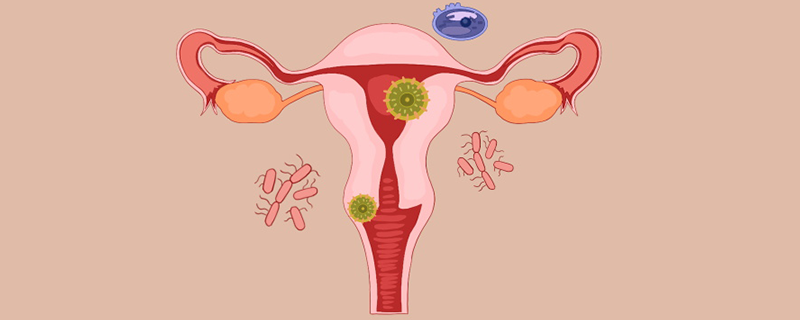
What to Do If Experiencing Nausea and Headache During Menstruation
1. Patients are advised first and foremost to maintain emotional stability and ensure adequate sleep. In many cases, improved sleep significantly alleviates headache and nausea.
2. Pharmacological treatment may be considered. Commonly used medications include nonsteroidal anti-inflammatory drugs (NSAIDs), which effectively relieve both migraine-type headaches and nausea. If nausea is pronounced, antiemetic agents may also be administered.
3. For severe headaches, ergot alkaloids may be prescribed. Additionally, if migraines consistently occur during each menstrual period, calcium channel blockers may be used prophylactically in appropriate doses. Hormonal fluctuations during menstruation—particularly in estrogen and progesterone levels—can readily trigger migraines in women.
Knowledge Extension: Lifestyle Management for Nausea and Headache During Menstruation
1. Relax your mind. Avoid developing anxiety or dread about this time of the month; sometimes, not focusing on it consciously helps prevent symptoms from interfering. Maintaining an optimistic and confident attitude can help manage—and even prevent—certain discomforts.
2. Reduce intake of sweets. High-sugar foods can cause mood instability and anxiety; therefore, limiting or avoiding them while increasing water intake and consuming more fresh fruits is advisable.
3. Limit animal fats. Animal-derived fats elevate estrogen levels; instead, opt for plant-based fats to help alleviate symptoms.
4. Increase dietary fiber. Fiber aids in eliminating excess estrogen from the body. Consume more vegetables, legumes, whole grains, buckwheat, and barley (which are not only rich in fiber but also high in magnesium).
The above outlines management strategies for nausea and headache occurring during menstruation. We hope this information proves helpful to you.





