


How many days does a migraine last?
Feb 07, 2022
Source: Cainiu Health
Dr. Zhong Mengfei
Introduction
Clinically, migraine is categorized into migraine with aura and migraine without aura. In patients with migraine with aura, headache symptoms typically last for several hours to 1–2 days. In contrast, headache duration in patients with migraine without aura may extend to several days. Prior to the onset of headache, patients with migraine with aura experience aura symptoms; common manifestations include scotoma, photopsia, and amaurosis.
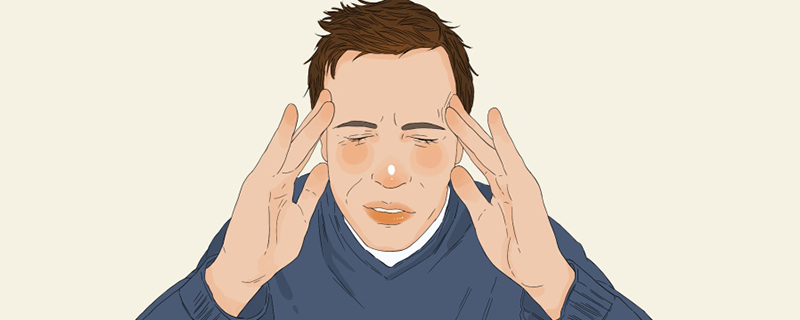
Migraine is the most common type of primary headache encountered in clinical practice. Its hallmark features include recurrent, moderate-to-severe, pulsating headaches, typically unilateral in location and lasting 4–72 hours. Attacks are often accompanied by nausea, vomiting, and heightened sensitivity to light (photophobia) and sound (phonophobia); routine physical activity may exacerbate the headache, whereas rest in a quiet, dark environment usually provides relief. So, how many days does a migraine last? Below, we address this question.
How Long Does a Migraine Last?
Clinically, migraine is classified into two main subtypes: migraine with aura and migraine without aura. In migraine with aura, headache duration typically ranges from several hours to one or two days. In contrast, migraine without aura may persist for several days.
Patients with migraine with aura experience transient neurological symptoms—termed “aura”—preceding or accompanying the headache. Common aura manifestations include scintillations (flashing lights), scotomas (areas of diminished or lost vision), and transient monocular blindness or homonymous hemianopia (loss of vision in the same half of the visual field in both eyes). Some patients may also experience drowsiness, irritability, or other non-visual symptoms.
Aura symptoms typically last 10–20 minutes. Thereafter, patients commonly develop a pulsating headache, most frequently localized to the supraorbital or retro-orbital region, though it may also involve the frontal-temporal, parietal, or occipital areas. The pain is usually described as dull but throbbing and may intensify over time. During the headache phase, patients may exhibit pallor, nausea, photophobia, and diaphoresis (excessive sweating); vomiting may also occur. In contrast, migraine without aura predominantly presents as unilateral pulsating headache associated with nausea, vomiting, diaphoresis, and photophobia—and is more prevalent among women.
Migraine attacks are often triggered by identifiable factors. Common triggers include emotional stress, certain foods (e.g., chocolate, alcohol), and hormonal fluctuations—such as those occurring around menstruation.
Additionally, consumption of cured or fermented foods, alcohol intake, and use of vasodilating medications may provoke migraine attacks. Therefore, avoiding known triggers and maintaining adequate, regular sleep remain essential preventive measures.
The above outlines the typical duration of migraine attacks. We hope this information proves helpful to you.








