


How to Lower Blood Sugar in Diabetes
Feb 08, 2022
Source: Cainiu Health

Dr. Chen Bin
Introduction
Glycemic control in patients with diabetes is multifaceted and comprehensive. The International Diabetes Federation (IDF) proposes the “Five-Pronged Approach” to diabetes management, which includes pharmacotherapy, blood glucose monitoring, medical nutrition therapy, physical activity/exercise therapy, and diabetes self-management education and support. This highlights that pharmacotherapy is central to treatment, while nutrition and exercise therapies serve as adjunctive strategies for glycemic control. Specific therapeutic approaches vary depending on the type of diabetes.
Diabetes mellitus is a group of metabolic disorders characterized by chronic hyperglycemia. Hyperglycemia results from defects in insulin secretion, impaired insulin action, or a combination of both. Prolonged hyperglycemia leads to chronic damage and functional impairment of various tissues—particularly the eyes, kidneys, heart, blood vessels, and nerves. So, how can blood glucose be effectively lowered in diabetes? The following section addresses this question.
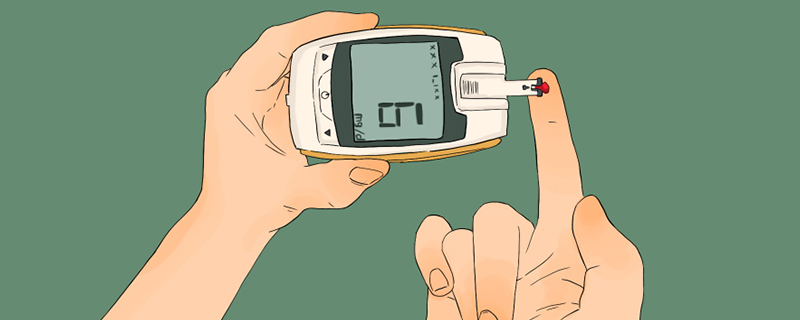
How to Lower Blood Glucose in Diabetes
Glycemic control in patients with diabetes requires a multifaceted, comprehensive approach. The International Diabetes Federation (IDF) outlines five core components of diabetes management—the so-called “Five Pillars”: pharmacologic therapy, blood glucose monitoring, medical nutrition therapy, physical activity, and diabetes education. Among these, pharmacologic therapy is central, while nutrition and exercise serve as essential adjunctive strategies for glycemic control. Specific treatment approaches vary depending on diabetes type. For example, patients with type 1 diabetes typically require insulin therapy, as oral hypoglycemic agents are ineffective. In contrast, patients with type 2 diabetes may initially be managed with oral antihyperglycemic agents—including gliclazide, glibenclamide, repaglinide, acarbose, and metformin.
The true danger of diabetes lies in its complications, which are the leading cause of mortality among diabetic patients. Diabetes damages microvasculature, resulting in retinopathy and nephropathy. It also promotes macrovascular disease, contributing to diabetic cardiomyopathy and cerebrovascular disorders. Additionally, diabetes causes neuropathy, manifesting as symptoms such as numbness or tingling in the feet (“stocking-glove” paresthesia), a sensation of walking on cotton, Alzheimer’s disease, and urinary or fecal incontinence. Diabetic foot syndrome remains the most common cause of lower-limb amputation and loss of work capacity in people with diabetes.
Patients with diabetes must recognize the critical role of dietary management in achieving optimal glycemic control. Poor adherence to dietary recommendations often leads to disease progression—and in severe cases, to life-threatening conditions such as diabetic ketoacidosis. Patients should minimize intake of high-carbohydrate foods, including carbonated beverages, fruit juices, cakes, steamed buns, and white rice; ideally, these should be avoided altogether.
The above provides an overview of strategies for lowering blood glucose in diabetes. We hope this information proves helpful to you.








