


Can patients with hepatitis eat peanuts?
Feb 18, 2022
Source: Cainiu Health

Dr. Li Yi
Introduction
Peanuts are a nutrient-rich nut, abundant in protein, fat, and oils. Patients with hepatitis may consume peanuts, but must strictly control their intake to avoid excessive consumption, which could disrupt fat metabolism. Additionally, they must avoid eating moldy peanuts, as these can damage liver cells.
Hepatitis is a common infectious disease characterized by infection and inflammation of the liver caused by various factors. Common etiologies include bacteria, viruses, medications, and alcohol—all of which can damage hepatocytes and trigger hepatic inflammation.
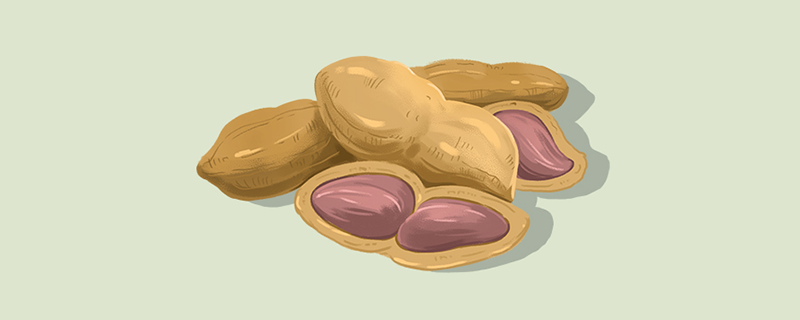
Can patients with hepatitis eat peanuts?
Peanuts are a nutrient-rich nut, high in protein, fat, and oils. Patients with hepatitis may consume peanuts, but intake must be carefully controlled—excessive consumption should be avoided to prevent disturbances in fat metabolism. Additionally, moldy peanuts must be strictly avoided, as they may further damage hepatocytes.
Typical symptoms of hepatitis include nausea, vomiting, anorexia, fatigue, abdominal distension, jaundice (yellowing of the skin and sclera), dull pain in the hepatic region, and oliguria.
Liver function tests and abdominal ultrasound are generally recommended for diagnosis. If liver function abnormalities are detected, appropriate hepatoprotective and enzyme-lowering therapies should be initiated. In cases where patients develop neurological symptoms such as altered mental status, dietary protein intake must be restricted to prevent hyperammonemia and worsening of hepatic encephalopathy. Lactulose or diluted vinegar enemas may also be administered to acidify the intestinal environment and reduce blood ammonia levels.
In patients with overt cirrhosis and ascites or marked esophageal/gastric varices, excessively hard or sharp foods should be avoided to minimize the risk of gastrointestinal bleeding. Similarly, protein intake must be restricted in patients with evident hepatic encephalopathy or coma. For most stable patients, a regular diet is acceptable, but smoking and alcohol consumption must be strictly avoided.
The above outlines whether patients with hepatitis may consume peanuts. We hope this information is helpful to you.



