


What should I do if acne on my face keeps recurring and forming pus-filled bumps?
Mar 03, 2022
Source: Cainiu Health
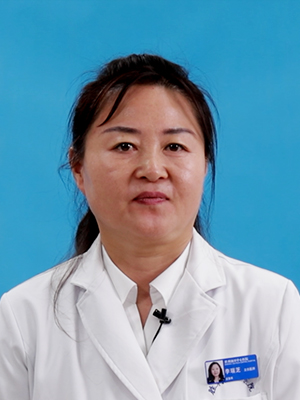
Dr. Li Ruizhi
Introduction
1. Topical Medications: For patients with recurrent, pus-filled acne lesions on the face, topical treatments such as benzoyl peroxide gel, clindamycin hydrochloride gel, or compound polymyxin B ointment may be applied directly to the acne lesions.
2. Oral Medications: If topical treatment proves ineffective, oral anti-inflammatory and antibacterial medications may be prescribed under a physician’s guidance.
Acne is a chronic inflammatory skin disorder affecting the pilosebaceous unit. It predominantly occurs on the face, chest, and back of adolescents. Acne can significantly impact adolescents’ psychological well-being and social interactions; however, it often naturally improves or resolves after puberty. Clinically, acne is characterized by polymorphic lesions, including comedones, papules, pustules, and nodules. So, what should one do when facial acne repeatedly develops into pustules? Below, we address this question.
What to Do When Facial Acne Repeatedly Develops into Pustules
For recurrent facial acne with pustule formation, topical or oral medications may be used for treatment. Specific approaches are outlined below:
1. Topical Medications
Patients with recurrent facial acne and pustule formation may apply topical agents such as benzoyl peroxide gel, clindamycin hydrochloride gel, or compound polymyxin B ointment directly onto affected acne lesions. Avoid applying these medications over the entire face. In daily life, maintain regular sleep habits—go to bed early and rise early—and avoid staying up late, as this supports recovery.
2. Oral Medications
If topical therapy proves ineffective, oral antimicrobial and anti-inflammatory medications may be prescribed under a physician’s guidance. Examples include minocycline hydrochloride capsules, doxycycline hydrochloride tablets, and clarithromycin capsules. Patients must complete the full prescribed course and dosage; premature discontinuation may lead to recurrence of acne lesions and pustules.
Additionally, patients should gently cleanse their face to avoid rupturing pustules. Dietarily, avoid spicy, stimulating, greasy, and high-sugar foods—such as scallions, ginger, garlic, fatty meats, and cakes—as these dietary modifications support acne resolution.
We hope the above information is helpful to you!




