


Does liver cirrhosis cause low platelet count?
Mar 07, 2022
Source: Cainiu Health

Dr. Chen Tansheng
Introduction
Patients with cirrhosis often develop thrombocytopenia. Cirrhosis is a chronic, progressive liver injury that persists over time. As cirrhosis advances, patients may develop various complications; one important complication is hypersplenism. Hypersplenism leads to increased platelet destruction, resulting in a reduced baseline platelet count.
Cirrhosis is a common chronic progressive liver disease encountered clinically, characterized by diffuse hepatic damage resulting from prolonged or repeated exposure to one or more etiological factors. In China, the majority of cirrhosis cases are post-hepatitis cirrhosis, while a minority are attributable to alcoholic cirrhosis or schistosomal cirrhosis. Below, we address this question.
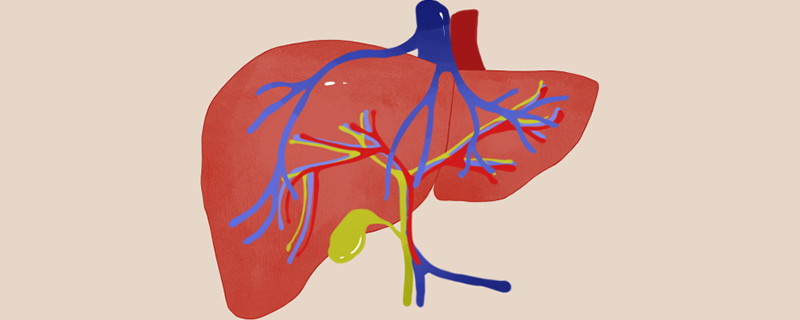
Does cirrhosis cause low platelet count (thrombocytopenia)?
Yes, patients with cirrhosis commonly develop thrombocytopenia. Cirrhosis represents persistent, chronic, and progressive liver injury. As the disease advances, various complications may arise—among them, hypersplenism is a key complication. Hypersplenism leads to increased platelet sequestration and destruction in the spleen, thereby reducing the baseline platelet count.
Secondly, patients with cirrhosis often suffer from inadequate nutritional intake and resultant malnutrition, which reduces the availability of raw materials required for hematopoiesis—including those essential for platelet production.
Thirdly, cirrhosis may lead to portal hypertension-related disorders, such as esophageal and gastric varices. Recurrent or severe gastrointestinal bleeding depletes platelets excessively, further contributing to thrombocytopenia.
The above mechanisms collectively represent major causes of thrombocytopenia in cirrhosis. When the platelet count falls below 30 × 10⁹/L, patients face an elevated risk of spontaneous bleeding.
Knowledge Extension: Key Considerations in Managing Cirrhosis
Management of cirrhosis involves lifestyle modifications, etiological control, and treatment of complications. Dietary recommendations include low-fat, low-cholesterol, high-protein meals, along with abundant fresh vegetables and fruits. Patients should avoid excessively hot or cold foods, spicy or irritating items, and strictly abstain from alcohol and tobacco.
Lifestyle improvements are equally important: avoid staying up late and overeating. Etiological factors—including hepatitis B, hepatitis C, alcoholic liver disease, nonalcoholic fatty liver disease (NAFLD), and autoimmune liver diseases—must be actively treated and prevented to halt disease progression. For patients with ascites or hypoalbuminemia, diuretic therapy and nutritional support are essential. In cases of hematemesis or melena, patients must strictly avoid hard or coarse foods, as these may traumatize esophageal varices and precipitate recurrent bleeding.
The above outlines whether cirrhosis causes thrombocytopenia. We hope this information proves helpful.



