


Which department should I visit for a sore throat caused by “internal heat”?
Mar 16, 2022
Source: Cainiu Health

Dr. He Haochen
Introduction
In daily life, if a patient develops sore throat due to “excess internal heat” (a traditional Chinese medicine concept), they should consult an otolaryngologist. Sore throat indicates mucosal or tonsillar congestion and inflammation. For pharmacological management, Niuhuang Shangqing Pills may be used first to alleviate symptoms associated with excess internal heat; subsequently, oral administration of Pudilan Xiaoyan Oral Liquid can effectively soothe the pharynx, lubricate the throat, and resolve phlegm.
“Heatiness” (Shàng Huǒ) is a colloquial term widely used in daily life—also known as “internal heat”—and can be explained within the framework of Traditional Chinese Medicine (TCM), falling under the category of “heat syndromes.” According to TCM theory, “heatiness” arises when the body’s yin-yang balance is disrupted, leading to excessive internal “fire.” Thus, the term “fire” metaphorically describes certain heat-related symptoms manifesting internally, and “heatiness” itself refers to a syndrome of internal heat resulting from yin-yang imbalance. So, which medical specialty should one consult for sore throat caused by “heatiness”? Below, we address this question.
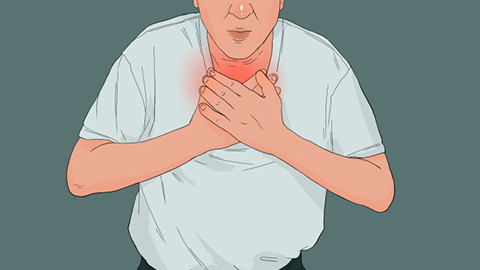
Which Department Should You Visit for Sore Throat Due to “Heatiness”?
In daily practice, patients experiencing sore throat due to “heatiness” may seek care at the Otolaryngology (ENT) Department. Sore throat typically indicates mucosal or tonsillar congestion and inflammation. Pharmacologically, initial treatment may include Niuhuang Shangqing Pills to alleviate “heatiness”-related symptoms, followed by oral administration of Pudilan Xiaoyan Oral Liquid, which effectively soothes the pharynx, lubricates the throat, and resolves phlegm.
If pain is particularly severe, antibiotics such as Roxithromycin Capsules or Cefprozil Tablets may be added. Prior to initiating antibiotic therapy, patients’ allergy histories must be carefully reviewed to prevent allergic reactions.
In daily life, patients are advised to maintain a positive mindset and avoid chronic stress, irritability, or anger—which may trigger or exacerbate sore throat. Smoking, alcohol consumption, and staying up late should all be strictly avoided.The above recommendations are for informational purposes only. Specific medication use should be determined based on individual circumstances and under the guidance of a qualified healthcare professional.
We hope this information proves helpful to you.



