


What precautions should be taken after a baby undergoes enema reduction for intussusception?
Mar 31, 2022
Source: Cainiu Health

Dr. Ma Yan
Introduction
1. Monitor for recurrent symptoms of intussusception after enema reduction, including paroxysmal abdominal pain and distension, vomiting, absence of flatus, or passage of bloody stool.
2. After enema reduction, observe for the return of anal flatus and passage of bloody stool.
3. Administer activated charcoal tablets, maintain complete fasting, and observe for 6–8 hours. Specifically, monitor for the passage of black stools; if no black stools appear, further evaluation is warranted.
4. Ensure adequate abdominal warmth and maintain regular dietary habits.
At the onset of intussusception, children typically do not exhibit severe or alarming symptoms. However, if diagnosis and treatment are delayed, complications such as intestinal wall necrosis may develop, leading to systemic physiological disturbances. Some infants may develop high fever, dehydration, and signs of toxicity—conditions that can become life-threatening.
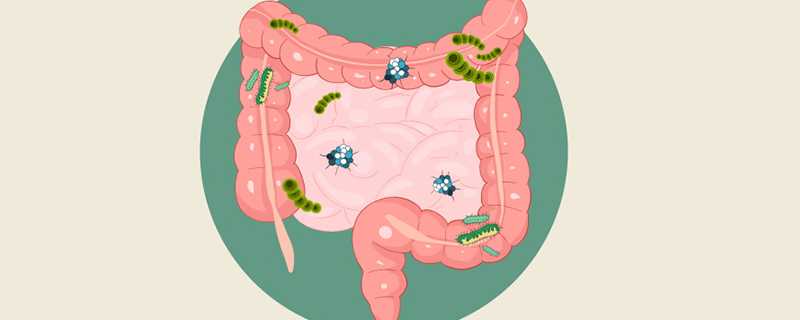
What precautions should be taken after an enema for pediatric intussusception?
1. Monitor for recurrent symptoms following enema reduction, including paroxysmal abdominal pain, abdominal distension, vomiting, absence of flatus, or passage of bloody stools. These may indicate re-intussusception. If vomiting or dehydration occurs, intravenous or oral rehydration with electrolyte supplementation is required.
2. After successful enema reduction, passage of flatus and bloody stools from the anus is expected. If symptoms recur in a regular, cyclical pattern, re-intussusception is likely. Irregular passage of flatus or stools, however, usually reflects gradual restoration of normal bowel function. In cases of confirmed re-intussusception, repeat enema reduction is indicated.
3. Administer activated charcoal tablets (carbon pills) only after fasting all food for 6–8 hours. Closely observe for the passage of black stools (indicating charcoal transit through the gastrointestinal tract). If no black stool appears within this timeframe, continue observation until it is passed. If constipation persists without defecation, a mild laxative (e.g., glycerin suppository) may be used. Once black stools are passed, feeding may resume gradually—starting with small amounts of thin, easily digestible foods and progressing stepwise to thicker, more substantial meals until normal diet is restored. For patients who underwent general anesthesia, position them supine without a pillow post-procedure, with head turned to one side; monitor facial color, lip hue, and respiratory status. Only after full recovery of consciousness should activated charcoal be administered.
4. Maintain abdominal warmth and adhere to regular mealtimes to prevent intestinal dysmotility and abnormal peristalsis. During the initial recovery days, offer semi-liquid foods such as thin rice porridge, soft noodles, lotus root starch, and pureed fruits and vegetables—foods that are gentle on the digestive system. As recovery progresses, transition to a nutrient-dense diet rich in calories, high-quality protein, and vitamins, while remaining low-residue and easily digestible. Avoid high-fat, greasy foods, as well as gas-producing items—including sweets and legumes—which may exacerbate abdominal distension.
The above outlines key considerations following enema reduction for pediatric intussusception. We hope this information proves helpful.





