


Most common symptoms of subserosal leiomyomas
Apr 01, 2022
Source: Cainiu Health

Dr. Chen Zhe
Introduction
Subserosal leiomyomas are uterine fibroids that grow on the serosal surface of the uterus. The most common symptoms include menstrual abnormalities, increased vaginal discharge, and lower abdominal discomfort. Secondary infection may lead to purulent vaginal discharge. If a subserosal leiomyoma continues to grow, it may cause persistent lower abdominal discomfort—such as a sensation of heaviness or pain in the lower abdomen—necessitating prompt treatment.
Subserosal leiomyomas are a type of uterine fibroid that develop on the serosal surface of the uterus—i.e., the outermost layer covered by the peritoneum—and protrude outward from the uterine surface. Some subserosal fibroids are attached to the uterine wall by a narrow stalk, termed pedunculated subserosal leiomyomas. What are the most common symptoms associated with subserosal leiomyomas? The following section addresses this question.
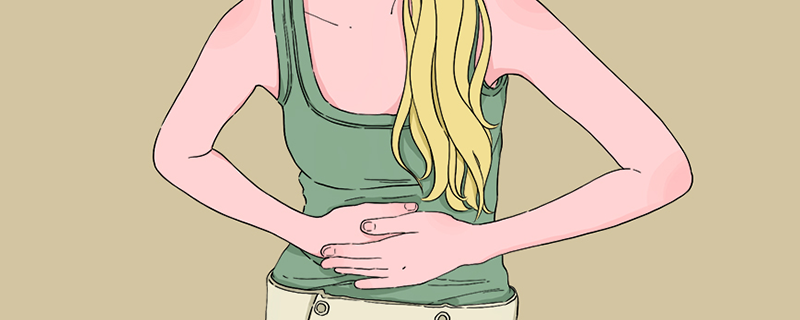
Most Common Symptoms of Subserosal Leiomyomas
Subserosal leiomyomas refer to uterine fibroids arising from the serosal surface of the uterus. The most common symptoms include menstrual abnormalities, increased vaginal discharge (leukorrhea), and lower abdominal discomfort.
Subserosal leiomyomas may result from excessive sex hormone secretion or from a single stem cell mutation. Small subserosal fibroids often remain asymptomatic; however, larger ones may cause menstrual disturbances such as menorrhagia (heavy menstrual bleeding), prolonged menses, shortened intermenstrual intervals, and dysmenorrhea. Increased vaginal discharge is also common; if secondary infection occurs, purulent discharge may develop. With progressive growth, patients may experience lower abdominal discomfort—including a sensation of pelvic pressure or lower abdominal pain—necessitating timely medical intervention.
Patients diagnosed with subserosal leiomyomas who remain asymptomatic may opt for expectant management under regular monitoring. However, if symptoms arise or the fibroid is large, surgical myomectomy—performed under physician guidance—is recommended. This procedure directly removes the subserosal leiomyoma and effectively alleviates associated symptoms.
Postoperatively, patients must maintain strict personal hygiene, abstain from sexual intercourse for a specified period, and avoid tub bathing.
The above outlines the most common symptoms associated with subserosal leiomyomas. We hope this information is helpful to you.



