


Can seborrheic dermatitis of the scalp cause hair loss?
Apr 10, 2022
Source: Cainiu Health

Dr. Gan Liqiang
Introduction
Does seborrheic dermatitis of the scalp cause hair loss?
Yes, seborrheic dermatitis of the scalp can lead to hair loss. This condition typically begins on the scalp and may subsequently spread to other areas of the body—such as the face, behind the ears, and the upper chest. In cases of scalp seborrheic dermatitis, excessive bacterial proliferation results in recurrent greasy crusts on the scalp, often accompanied by minor skin breaks and exudation. These changes can damage the hair follicles, thereby causing hair shedding.
Seborrheic dermatitis manifests in various forms, one of which is scalp seborrheic dermatitis. This condition commonly causes symptoms such as scalp itching and increased dandruff. But does scalp seborrheic dermatitis cause hair loss? Let’s explore this further.
Does scalp seborrheic dermatitis cause hair loss?
Yes, scalp seborrheic dermatitis can lead to hair loss. Typically, seborrheic dermatitis begins on the scalp and may subsequently spread to other areas of the body—such as the face, behind the ears, and the upper chest. Clinically, it presents as grayish-white, bran-like scales in patchy distributions, with slightly erythematous bases and mild pruritus. In more severe cases, lesions appear as greasy, scaly, map-like plaques accompanied by exudation and thick crusts. In scalp seborrheic dermatitis, excessive bacterial proliferation leads to recurrent greasy crusting on the scalp, often associated with minor skin breaks and serous exudation. These pathological changes can damage hair follicles, resulting in hair shedding and breakage.
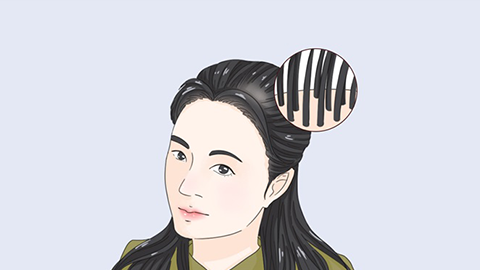
Scalp seborrheic dermatitis is closely associated with unhealthy lifestyle habits—including staying up late, excessive alcohol consumption, and chronic stress. Therefore, maintaining healthy daily routines is essential: avoid sleep deprivation, ensure adequate rest, abstain from smoking and alcohol, manage stress effectively, and engage in appropriate physical activity. Diet should be light and balanced, emphasizing foods rich in vitamins while avoiding spicy and greasy foods—which can exacerbate seborrheic dermatitis.

The above addresses the question of whether scalp seborrheic dermatitis causes hair loss. Patients diagnosed with this condition should actively cooperate with their physicians’ treatment plans. During therapy, it is crucial to adjust lifestyle habits, minimize psychological stress, and maintain a positive mental outlook. We hope this information proves helpful to you.




