


What Causes Headaches Due to Sleep Deprivation?
Apr 11, 2022
Source: Cainiu Health

Dr. Li Qi
Introduction
Why does sleep deprivation cause headaches?
1. Inadequate brain rest: Sleep deprivation can lead to cerebral ischemia and hypoxia, resulting in headache.
2. Insufficient bodily rest: Sleep deprivation prevents the body from recovering from fatigue, which may trigger headaches.
3. Cerebral vasospasm: Prolonged wakefulness keeps the brain continuously active, potentially causing cerebral vasospasm and subsequent headache.
People require adequate sleep every day, as the entire sleep process allows many organs and bodily functions to rest properly, thereby enhancing mental alertness and energy. However, some individuals experience insufficient sleep. Chronic sleep deprivation can adversely affect physical health—for example, by triggering headaches. So, what causes headaches due to sleep deprivation? Let’s explore this further.
What Causes Headaches Due to Sleep Deprivation?
1. Inadequate Brain Rest
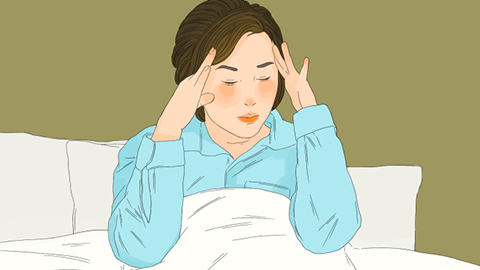
In individuals experiencing headaches from sleep deprivation, insufficient sleep duration prevents the brain from resting adequately. This may lead to cerebral hypoxia (reduced oxygen supply) and ischemia (reduced blood flow), resulting in headache symptoms. Therefore, maintaining an optimal sleep environment—such as adhering to a regular sleep schedule with early bedtimes and wake-up times—can help alleviate or even eliminate headache symptoms.
2. Inadequate Overall Physical Rest
Sleep deprivation impairs the body’s ability to recover from fatigue, leaving it in a persistent state of exhaustion. Affected individuals may develop headaches, alongside symptoms such as lethargy, reduced work efficiency, and generalized body aches.
3. Cerebral Vascular Spasm
The brain undergoes significant metabolic activity during daytime hours and requires nighttime rest for recovery. When sleep is inadequate, the brain remains overactive, potentially causing spasm of cerebral blood vessels and subsequent headaches—sometimes severe enough to be intolerable. In such cases, sedative and neurotonic medications may be recommended to improve cerebral vascular function and relieve spasm.
The above outlines the primary mechanisms linking sleep deprivation to headaches. Given the serious adverse effects of chronic sleep insufficiency on overall health, it is essential to prioritize rest and ensure sufficient daily sleep. When sleep deficits occur, proactive measures should be taken to compensate. We hope this information proves helpful to you.








