What medications are effective for post-stroke sequelae?
Apr 13, 2022
Source: Cainiu Health

Dr. Li Qi
Introduction
First, take medications to prevent stroke recurrence, including antiplatelet agents such as aspirin and clopidogrel, and anti-atherosclerotic agents such as atorvastatin and rosuvastatin. Second, take medications to control risk factors for stroke, including antihypertensive drugs, antidiabetic drugs, and lipid-lowering agents.
In today’s society, many individuals develop post-stroke sequelae after experiencing a stroke, significantly impairing their daily functioning and causing considerable anxiety. What medications are most effective for managing post-stroke sequelae?
What medications are most effective for managing post-stroke sequelae?
First, medications to prevent recurrent stroke should be administered—these include antiplatelet agents such as aspirin and clopidogrel, as well as anti-atherosclerotic statins like atorvastatin and rosuvastatin. Second, medications targeting underlying risk factors must be used, including antihypertensives, antidiabetics, and lipid-lowering agents. Finally, neurotrophic and blood-activating, stasis-resolving medications may be prescribed to support neural recovery.
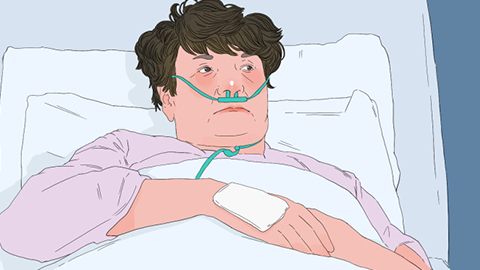
For rehabilitation following ischemic or hemorrhagic stroke, both Western pharmaceuticals and traditional Chinese patent medicines may be employed. Western medications include those that enhance cerebral metabolism—such as cerebral protein hydrolysates and butylphthalide. Traditional Chinese medicines (TCMs) commonly used include blood-activating and stasis-resolving formulations. However, if TCM patent medicines are selected, they should ideally be prescribed under the guidance of a qualified traditional Chinese medicine practitioner. Additionally, to prevent recurrent stroke, patients must adhere strictly to prescribed antihypertensive, antidiabetic, and lipid-lowering regimens.
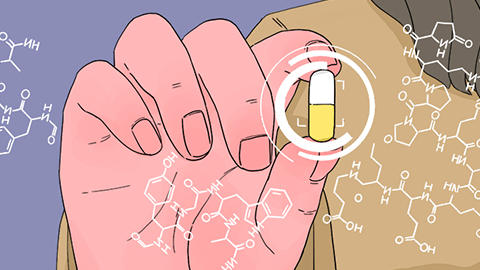
Special attention should be paid to protecting the patient’s head, and regular follow-up visits to the hospital are essential. Ensure indoor air remains fresh and well-circulated; patients may also benefit from gentle chest-expansion exercises or deep-breathing techniques. We hope this information proves helpful.