


What should I do if an ovarian cyst ruptures?
Apr 14, 2022
Source: Cainiu Health

Dr. Chen Zhe
Introduction
Ovarian cyst rupture can be managed through the following approaches:
1. **Conservative management**: Bed rest, close observation, administration of traditional Chinese medicine to control bleeding, and use of heat-clearing and detoxifying medications.
2. **Pharmacological treatment**: Administration of hemostatic agents and antibiotics to prevent infection.
3. **Surgical intervention**: In cases of excessive hemorrhage or severe shock, immediate surgical repair of the ovary is required. If repair is not feasible, oophorectomy (ovarian removal) may be performed.
The ovaries are vital organs for female reproduction. Rupture of an ovarian cyst is a serious and potentially life-threatening condition, significantly impacting a woman’s physical health and daily life. So, what should be done if an ovarian cyst ruptures?
Management of Ovarian Cyst Rupture
Ovarian cyst rupture can be managed through the following approaches: 1. Conservative management: Bed rest, close monitoring, administration of traditional Chinese medicine to control bleeding, and use of heat-clearing and detoxifying herbal remedies. 2. Pharmacologic treatment: Administration of hemostatic agents and antibiotics to prevent infection. 3. Surgical intervention: In cases of severe hemorrhage or shock, immediate surgery is required to repair the ovary. If repair is not feasible, oophorectomy (removal of the affected ovary) may be necessary to avoid delaying critical treatment.
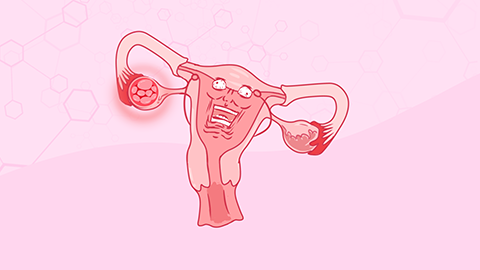
Symptoms of ovarian cyst rupture include: 1. Dyspnea (shortness of breath), palpitations, and a sensation of pressure—often resulting from compression by the cyst. Large-volume ascites associated with ovarian cysts may also cause these symptoms. Pelvic and abdominal compression may lead to urinary difficulties, urinary retention, and urgency. 2. Signs of shock. Vaginal bleeding is typically absent; however, severe internal hemorrhage may precipitate shock. 3. Abdominal distension and increased abdominal girth. 4. Menstrual disturbances. While most patients have no prior history of menstrual irregularities or amenorrhea, such disruptions often occur mid-cycle or premenstrually. 5. Abdominal pain.
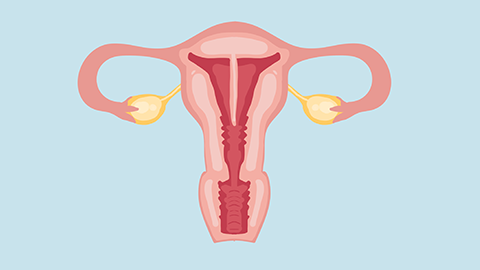
Abdominal pain in ovarian cancer patients commonly results from torsion of the tumor pedicle, tumor rupture, hemorrhage, or infection. Additionally, abdominal pain, leg pain, and pain caused by malignant cysts frequently prompt patients to seek urgent medical care. We hope this information is helpful. Wishing you good health and a joyful life.






