


Can severe acne be contagious?
Apr 14, 2022
Source: Cainiu Health

Dr. Liu Wan
Introduction
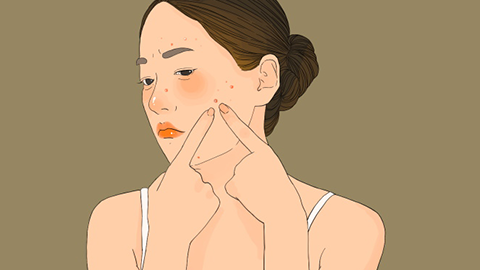
Severe acne is generally not contagious; however, without proper prevention, acne can easily become infected, and infection can occur through various means. Squeezing pimples with your hands introduces bacteria from the hands into the hair follicles, leading to folliculitis and exacerbating the acne. Moreover, squeezing lesions by hand can cause trauma to the patient’s skin, which is also undesirable.
The desire for beauty is universal—many men and women aspire to have clear, healthy skin. Consequently, some individuals develop numerous pimples on their faces. If left untreated, these may progress to acne. But can severe acne be contagious?
Is severe acne contagious?
Severe acne is generally not contagious. However, without proper preventive measures, acne lesions are highly susceptible to secondary infection. Moreover, acne can become infected through various routes. For instance, squeezing pimples with bare hands introduces bacteria from the hands into hair follicles, triggering folliculitis and exacerbating the condition. Additionally, manually squeezing acne lesions not only causes immediate trauma to the skin but may also pose serious health risks—even life-threatening complications—in rare cases. Therefore, patients should avoid touching acne-affected areas with their hands, especially when visiting a hospital.

Acne is a common chronic inflammatory skin disorder affecting the pilosebaceous units. During puberty, rising levels of sex hormones—particularly androgens—stimulate sebaceous gland development and excessive sebum production. Simultaneously, the openings of hair follicles and sebaceous ducts become obstructed, impeding normal sebum excretion.
Furthermore, the bacterium Cutibacterium acnes (formerly Propionibacterium acnes) proliferates extensively within pilosebaceous units, provoking an inflammatory response that manifests clinically as erythema, swelling, cysts, and other characteristic lesions. Patients are advised to seek evaluation at a reputable medical facility for thorough diagnostic assessment and targeted treatment. Phototherapy using red and blue light may also be considered as an adjunctive therapeutic option. We hope this information proves helpful.




