


What Is the Impact of Contraceptive Pills on Menstruation?
Apr 14, 2022
Source: Cainiu Health

Dr. Lv Aiming
Introduction
The effects of oral contraceptives on menstruation primarily manifest as reduced menstrual flow, earlier or delayed menstruation, etc. Oral contraceptives mainly contain progestin and estrogen. Their mechanism of action involves mimicking the natural secretion patterns of estrogen and progesterone during the menstrual cycle, thereby inhibiting ovulation, altering the intrauterine environment and tubal motility, and interfering with implantation of the fertilized ovum—ultimately achieving contraception.
Oral contraceptives are currently one of the most common and effective methods of contraception. However, they are not 100% effective—like many things in life, they carry both benefits and drawbacks. So, how do oral contraceptives affect menstruation?
How Do Oral Contraceptives Affect Menstruation?
The primary effects of oral contraceptives on menstruation include reduced menstrual flow, earlier or delayed onset of menses, and other cycle-related changes. Most oral contraceptives contain synthetic forms of progesterone (progestin) and estrogen. Their mechanism of action mimics the natural fluctuations of estrogen and progesterone during the menstrual cycle, thereby suppressing ovulation, altering the uterine cavity environment, and modifying fallopian tube motility—all of which interfere with implantation of a fertilized egg and thus achieve contraception.

Oral contraceptives are categorized into three types: long-acting, short-acting, and emergency contraceptives. Beyond their contraceptive efficacy, short-acting oral contraceptives are also clinically used to treat gynecological conditions such as polycystic ovary syndrome (PCOS) and menstrual disorders. Emergency contraceptives contain high doses of potent progestin, which can significantly disrupt the body’s natural hormonal balance.
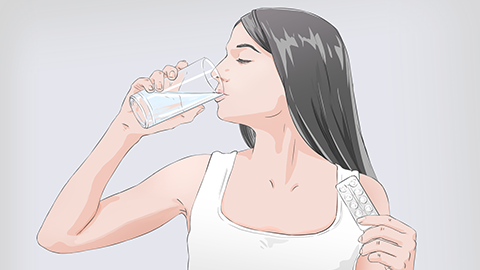
Combined short-acting oral contraceptives are highly effective not only for contraception but also for regulating menstrual cycles. With these pills, menstruation may occur a few days after discontinuation—or, in some cases, even while continuing the regimen—allowing for predictable, cyclical bleeding that maintains contraceptive protection. Clinically, combined short-acting oral contraceptives are also widely prescribed to regulate menstruation in patients with conditions such as menstrual irregularities or PCOS. We hope this information is helpful to you!



