


Is a neck hemangioma serious?
Apr 14, 2022
Source: Cainiu Health

Dr. Peng Xiaodong
Introduction
If a giant hemangioma—due to its rich blood supply, resembling a vascular sinus—ruptures, it carries a risk of infection. Interventional therapy may therefore be employed early to prevent disease progression. In clinical practice, we have encountered cases of giant hemangiomas that posed life-threatening risks to pediatric patients, typically accompanied by hemorrhagic complications. For cervical hemangiomas, intralesional injection therapy is generally selected based on the lesion’s anatomical location.
If the hemangioma is small, observation alone may be appropriate for the time being. During early childhood, hemangiomas typically undergo a phase of rapid growth, followed by a slower growth phase, and eventually gradual involution.
Are cervical hemangiomas serious?
Cervical hemangiomas are generally not serious; however, larger or deeper lesions do carry certain risks. The origin of the blood supply to the hemangioma—and whether it communicates with deeper vascular structures—must be carefully assessed. In most cases, interventional therapy is considered the preferred treatment approach.
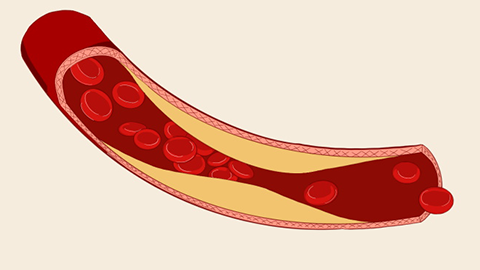
Giant hemangiomas—due to their rich vascularity and sinus-like structure—carry risks of ulceration and infection. Early interventional treatment is recommended to prevent disease progression. Clinically, we have encountered rare cases of giant hemangiomas that posed life-threatening risks to pediatric patients, often complicated by hemorrhage. Treatment for cervical hemangiomas is typically individualized based on location and may involve intralesional injection therapy or conservative observation—aiming to minimize scarring.
For larger hemangiomas, staged surgical excision may be employed. Cryotherapy works by rapidly lowering tissue temperature to induce intracellular ice crystal formation, thereby disrupting cellular architecture. Liquid nitrogen is the most commonly used cryogen; it is delivered via various cryotherapy devices for direct contact application. However, because cryotherapy penetrates only a few millimeters into tissue, it is suitable only for superficial hemangiomas.

Special caution must be exercised during surgery if the hemangioma is connected to major cervical arteries, to avoid catastrophic hemorrhage. Residual hemangioma tissue following surgery may be treated with radiotherapy or other adjunctive modalities. We hope this information is helpful. Wishing you good health and happiness.





