


What Should You Do About Acne on the Forehead During Puberty?
Apr 18, 2022
Source: Cainiu Health

Dr. Gan Liqiang
Introduction
What to Do About Acne on the Forehead During Puberty:
1. Skin Care: Keep the skin surface over acne clean and dry. Use an oil-controlling, hydrating, and gentle facial cleanser to wash your face, helping prevent bacterial growth.
2. Hydration: Use hydrating skincare products and masks regularly; perform deep hydration treatments two to three times per week.
3. Healthy Lifestyle Habits: Eat more vegetables and fruits, and reduce intake of spicy and greasy foods. Avoid staying up late.
Acne formation is primarily associated with increased sebum production, obstruction of the pilosebaceous ducts, localized inflammation, and infection. It is a common chronic inflammatory disorder of the hair follicles and sebaceous glands; however, acne can significantly impair facial aesthetics. So, what should one do if acne develops on the forehead during puberty? Let’s explore some effective approaches.
What to Do If You Develop Acne on Your Forehead During Puberty
1. Skin Care
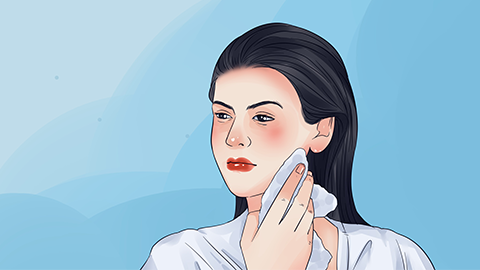
Acne on the forehead during puberty is very common, as sebaceous gland activity is particularly high in this area during adolescence—making it a frequent site for acne development. Proper skin care is therefore essential. Keep the affected skin clean and dry: cleanse your face daily using an oil-controlling, hydrating, and gentle facial cleanser to remove excess sebum, dead skin cells, and microorganisms from the skin surface—thereby preventing bacterial proliferation. Avoid excessive scrubbing or harsh cleansing, and never squeeze or scratch acne lesions, as this may lead to scarring.
2. Hydration
Forehead acne during puberty is also linked to significant skin dehydration. When the skin lacks adequate moisture, sebum production increases, raising the risk of pilosebaceous duct blockage and subsequent acne formation. Incorporate hydrating skincare products and masks into your routine, and perform deep hydration treatments two to three times per week to ensure sufficient moisture replenishment.
3. Healthy Lifestyle Habits
Forehead acne during puberty is closely related to diet and daily routines. Maintain a light, predominantly plant-based diet; drink plenty of water; consume ample vegetables and fruits; and minimize intake of spicy, greasy, or highly processed foods. Ensure adequate, high-quality sleep and avoid staying up late—sleep deprivation is a known trigger for acne development.
4. Medication Therapy
Mild-to-moderate forehead acne can be treated with topical medications such as benzoyl peroxide or tretinoin cream, which possess antibacterial and anti-inflammatory properties. For more severe cases, oral isotretinoin may be prescribed under medical supervision.
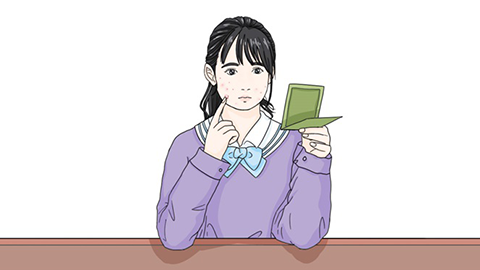
The above outlines practical strategies for managing forehead acne during puberty. Since acne development is a gradual process, treatment must be patient, consistent, and safe—rushing results may compromise skin health. In daily life, maintain a light diet, avoid late-night activities, and engage in regular physical exercise. We hope this information proves helpful to you.




