


What medication is used for ingrown toenail (onychocryptosis) of the big toe?
Apr 19, 2022
Source: Cainiu Health

Dr. Liu Wan
Introduction
In general, early-stage paronychia presents with inflammation and swelling. Prompt anti-inflammatory treatment is essential: first disinfect the affected area with iodophor, then apply an anti-inflammatory ointment such as Mupirocin (Bactroban), Shizhi Ointment, or Erythromycin Ointment. Alternatively, certain traditional Chinese medicine approaches may also be used for anti-inflammatory purposes. Paronychia is commonly caused by an ingrown nail. In some cases, minor trauma—such as nail avulsion or removal of a nail spicule—may predispose to infection.
Some individuals neglect personal hygiene habits or suffer from trace element deficiencies, which may trigger symptoms of paronychia. Without timely and effective treatment, the condition can worsen. So, what medications are used for hallux (big toe) paronychia?
Medications for Hallux Paronychia
In general, early-stage paronychia presents with inflammation and swelling. Prompt anti-inflammatory treatment is essential: first disinfect the area with iodophor, then apply topical antibiotics such as Mupirocin ointment (Bactroban), Shizhi ointment, or erythromycin ointment. Alternatively, certain traditional Chinese herbal remedies with anti-inflammatory properties may also be used. Paronychia is commonly caused by an ingrown toenail. In some cases, minor trauma—such as nail removal or the presence of a nail “spur”—may predispose to infection. During the initial phase, Gaisilekang (Jiasilekang) Repair Solution may be tried. This solution helps gently guide the portion of the nail embedded in the skin without forcibly extracting it, since ingrown nails rarely heal spontaneously and tend to progressively worsen if left untreated.
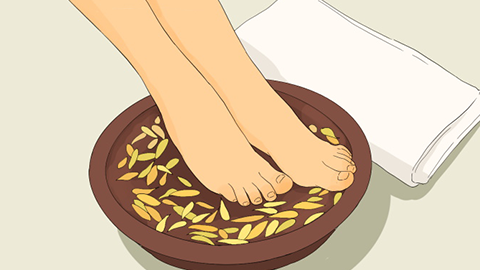
When selecting footwear, ensure adequate space for the toes—avoid overly narrow shoes. Many women frequently wear tight-fitting high heels, significantly increasing the risk of paronychia. The toenail shares the same anatomical structure as the fingernail; thus, persistent pressure during growth may cause nail displacement, predisposing to paronychia. Additionally, when trimming toenails, avoid cutting them too short—especially along the lateral edges, which should be filed smooth. This encourages forward nail growth rather than lateral ingrowth, allowing the nail to grow smoothly and naturally.
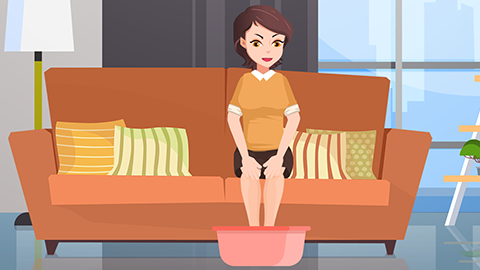
To prevent paronychia, protect the skin surrounding the toenails and minimize repeated trauma. If early signs or symptoms of paronychia appear, seek medical evaluation at a hospital promptly, as untreated cases carry a high risk of infection. We hope this information proves helpful!




