


What should be done if ascites cannot be drained in advanced liver cancer?
Apr 24, 2022
Source: Cainiu Health

Dr. Jin Zhongkui
Introduction
In advanced hepatocellular carcinoma with refractory ascites, the patient should seek care at a reputable hospital’s oncology department. Treatment may include albumin administration and other pharmacologic interventions; ascites reduction may be attempted using the approach I described; and aggressive management of the underlying malignancy—such as systemic chemotherapy to control hepatocellular carcinoma—is essential. Severe ascites and hypoalbuminemia are indeed common in late-stage hepatocellular carcinoma. Additionally, the patient exhibits hepatic and renal failure with oliguria.
The mere mention of cancer often triggers fear and anxiety. However, certain individuals may develop liver cancer due to constitutional factors or inadequate self-care in daily life. What should be done when ascites cannot be effectively drained in advanced-stage liver cancer?
What to do when ascites cannot be drained in advanced-stage liver cancer
Patients with unremitting ascites in advanced-stage liver cancer should seek care at a reputable hospital’s oncology department. Treatment may involve intravenous albumin administration or other pharmacological interventions. Additional measures—such as those described below—to reduce ascites volume may also be required. Aggressive management of the underlying disease is essential, including systemic chemotherapy to control hepatocellular carcinoma. Indeed, severe ascites and hypoalbuminemia are common complications in late-stage hepatocellular carcinoma. Patients may also present with hepatic and renal failure, along with oliguria. In such cases, pharmacologic therapy alone is often insufficient to control ascites; therefore, procedural interventions—such as paracentesis—are typically necessary to alleviate symptoms.
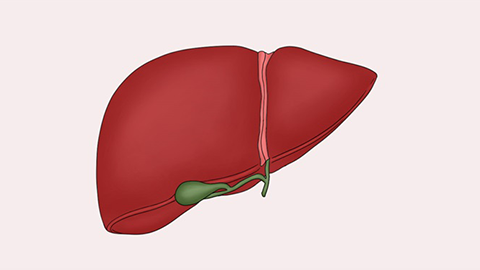
Patients with advanced-stage liver cancer commonly experience gastrointestinal symptoms—including indigestion, anorexia, nausea, vomiting, and abdominal distension—which may persist throughout the disease course. These manifestations are frequently misdiagnosed as chronic enteritis; thus, timely evaluation for liver cancer is critical to prevent diagnostic errors. Additionally, patients often exhibit progressive weight loss and fatigue, attributable to disordered digestive function and impaired nutrient absorption, resulting in general lethargy and diminished vitality.
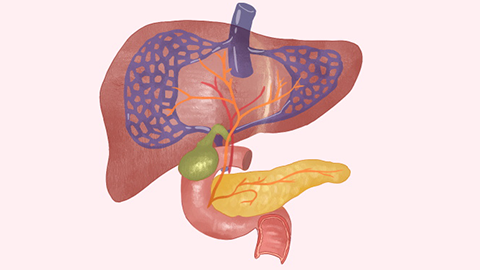
Moreover, malignant effusions represent a serious complication associated with advanced malignancies. When malignant ascites develops in late-stage liver cancer, inappropriate or delayed management can lead to rapid clinical deterioration and death. Therefore, regular surveillance and screening for liver cancer are crucial to detect and address such complications early. We hope this information proves helpful to you!



