


Are chickenpox and herpes the same?
Apr 24, 2022
Source: Cainiu Health

Dr. Gan Liqiang
Introduction
Chickenpox and herpes are two distinct medical terms, referring to different clinical entities. There is a clear distinction between them: chickenpox is a specific infectious disease, whereas “herpes” (in the general sense) refers only to a morphological type of skin lesion—namely, vesicles. Thus, in chickenpox, lesions may appear not only as vesicles but also as erythematous papules or ruptured vesicles.
A characteristic halo of erythema typically surrounds each varicella lesion. These lesions are often accompanied by pruritus and pain. Varicella can affect both the trunk and extremities, and the distribution of vesicles tends to be localized. So, are varicella and herpes the same condition?
Are varicella and herpes the same?
Varicella and herpes are distinct medical terms with different clinical scopes. There are important distinctions between them: varicella is a systemic infectious disease, whereas “herpes” refers specifically to a morphological type of skin lesion—namely, a vesicle. Thus, while varicella lesions may present as vesicles, they may also manifest as erythematous papules or ruptured vesicles. Varicella is predominantly caused by a viral infection—specifically, the varicella-zoster virus (VZV). Children with compromised immune function or weakened natural resistance are at higher risk of developing varicella.
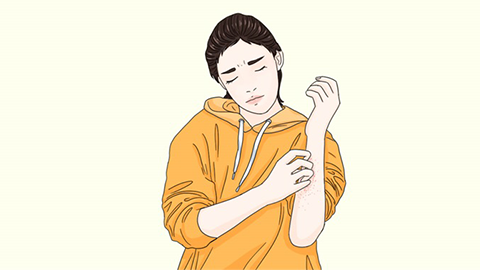
Herpes lesions tend to be localized and do not typically present with the widespread vesicles and erythematous macules characteristic of varicella. Nevertheless, both conditions are viral in origin, though their treatment approaches differ. There are numerous types of herpes infections, and varicella represents only one specific form. We recommend antiviral therapy. Varicella is an acute, highly contagious disease caused by the varicella-zoster virus.
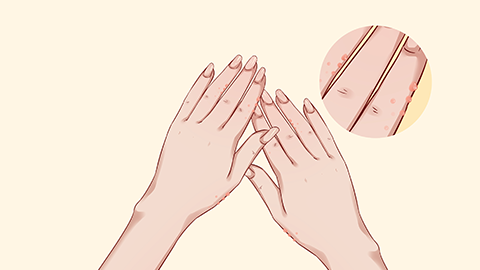
In such cases, it is essential to promptly disinfect and clean the child’s skin, frequently change their clothing, and prevent scratching. Encourage increased fluid intake. We hope this information is helpful. Wishing you good health and happiness!




