


How to Treat Eczema in Infants
Apr 26, 2022
Source: Cainiu Health

Dr. Liu Wan
Introduction
Infant eczema is a common allergic skin inflammation. You can purchase specialized eczema creams formulated for babies, which are generally effective. In daily care, ensure proper ventilation and temperature control in the baby’s room; avoid over-bundling the infant and dress them in pure cotton clothing to maintain dry, comfortable skin. For breastfeeding mothers, avoid spicy or irritating foods. If the baby is also receiving formula, consider switching to a different formula.
Infantile eczema is a common allergic skin inflammation. So, how should infantile eczema be treated?
How to Treat Infantile Eczema
Infantile eczema is a common allergic skin inflammation. Over-the-counter eczema creams specifically formulated for babies are generally effective. Ensure the baby’s room is well-ventilated and maintained at a comfortable temperature; avoid overdressing the infant—opt instead for loose-fitting, 100% cotton clothing. Keep the baby’s skin clean and dry. For breastfed infants, mothers should avoid spicy or highly stimulating foods. If the infant is formula-fed, consider switching to a different formula. Also, closely monitor the baby’s hands to prevent scratching.
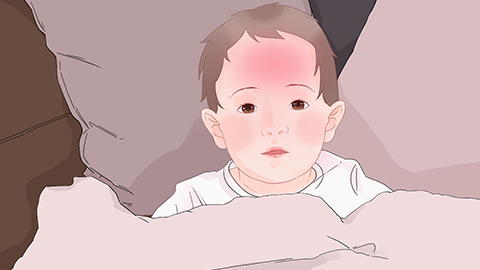
Eczema is a very common skin condition in newborns and infants, typically associated with allergic reactions. In most cases, modifying the infant’s milk intake (e.g., switching formulas or adjusting maternal diet during breastfeeding) can alleviate symptoms. However, for persistent or refractory eczema, standard topical treatments and moisturizers may prove insufficient. In such cases, further evaluation—including allergy testing—may be necessary to determine whether the eczema stems from an allergy to cow’s milk protein or other dairy components. Importantly, severe eczema may not always result solely from allergies; it can also signal underlying immune disorders. Thus, while milk allergy is the most common cause of infantile eczema, older children—who consume a wider variety of foods—may develop eczema due to sensitivities to other allergenic foods.

Eczema can significantly impact an infant’s health and comfort; therefore, parents must take it seriously and remain vigilant about their baby’s physical condition. We hope this article has been helpful to you!






