


How to Use Medications for Allergic Eczema
Apr 26, 2022
Source: Cainiu Health

Dr. Liu Wan
Introduction
Allergic eczema is typically managed with oral antihistamines and topical applications such as Union Wash (Xiehe Lotion). Oral antihistamines may include olopatadine hydrochloride tablets, fexofenadine hydrochloride tablets, or compound glycyrrhizin capsules. Topically, Union Wash or menthol-containing lotions may be applied. When lesions coalesce into plaques, topical anti-allergic and immunosuppressive therapy—such as fluticasone propionate cream—may be used.
Allergic eczema is a common inflammatory skin disorder characterized clinically by polymorphic rashes, a tendency toward exudation, symmetrical distribution, intense pruritus, and frequent recurrence.
Pharmacological Management of Allergic Eczema
For allergic eczema, oral antihistamines (e.g., olopatadine hydrochloride tablets, fexofenadine hydrochloride tablets, or compound glycyrrhizin capsules) and topical agents such as Xiehe Lotion may be prescribed. Topically, Xiehe Lotion or menthol lotion may be applied. When lesions coalesce into plaques, topical anti-allergic and immunosuppressive therapy—such as fluticasone propionate cream—may be used. Patients should avoid alcohol consumption and ensure adequate rest.
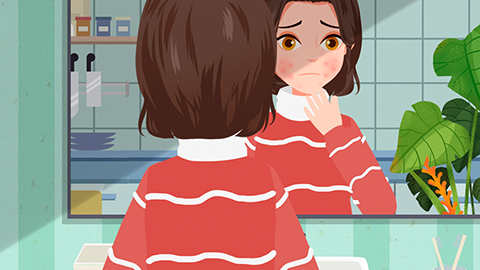
Topical treatments for eczema must be selected according to the specific stage and morphology of the lesions; ointments are not suitable for all types of eczematous lesions. Eczema can be classified into four clinical stages based on lesion morphology:
- Acute non-exudative stage: Xiehe Lotion or corticosteroid ointments (e.g., clobetasol or hydrocortisone) may be used.
- Acute exudative stage: Wet compresses with 1–3% boric acid solution or herbal decoctions are recommended; after compress application, an oil-based topical agent may be applied.
- Subacute stage: Pastes or creams—such as zinc oxide paste or clobetasol propionate cream—may be used.
- Chronic stage: Creams or ointments—including most topical glucocorticoid preparations—may be employed.
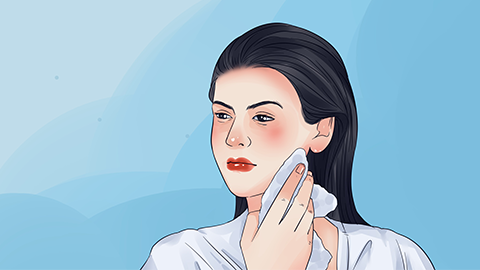
Effective management of allergic eczema requires active identification and avoidance of causative allergens or triggering/exacerbating factors. A light, bland diet is advised; patients should avoid highly allergenic foods such as fish, shellfish, and other seafood. Skin hygiene must be maintained, and scratching or thermal irritation (e.g., hot water immersion) should be avoided. We hope this article has been helpful. Wishing you a joyful life and good health!






