


I have developed allergic herpes—how should I treat it?
May 04, 2022
Source: Cainiu Health

Dr. Liu Wan
Introduction
Herpes outbreak: Enhance nursing care, maintain skin cleanliness, and prevent secondary bacterial infection. Clothing, bedding, towels, dressings, and other items that have come into contact with herpes fluid must be disinfected promptly and should not be shared with healthy individuals. Antiviral therapy with oral acyclovir tablets may also be administered. If fever occurs, cooling measures can be employed, along with consumption of light, easily digestible, or liquid foods.
Herpes refers to small, pale-yellow, semi-transparent vesicles that form on the skin surface. Atopic herpes denotes herpes outbreaks triggered by skin irritation or discomfort due to certain stimuli. At this time, the affected skin is not only intensely itchy but also aesthetically unappealing; accidental rupture of the vesicles may lead to scarring. So, how should allergic herpes be treated?
How to Treat Allergic Herpes
For herpes lesions, enhanced skincare is essential—maintain rigorous skin hygiene to prevent secondary bacterial infection. Clothing, bedding, towels, and dressings that have contacted herpes fluid must be disinfected promptly and should never be shared with healthy individuals. Antiviral therapy with oral acyclovir tablets may also be prescribed. If fever occurs, antipyretic measures should be taken, along with consumption of light, easily digestible, or liquid-based foods. Additionally, patients should increase fluid intake, ensure adequate rest, and consider intravenous therapy when necessary.

Symptomatic treatment is also recommended: for intact, pruritic lesions, Huaxie Wash (a compound herbal lotion developed by Peking Union Medical College Hospital) may be applied topically; once vesicles rupture, topical antibiotic ointments can be used. For severe pain associated with herpes zoster, analgesics such as indomethacin may be administered. Most cases resolve within approximately one week; however, close monitoring of symptoms is advised.
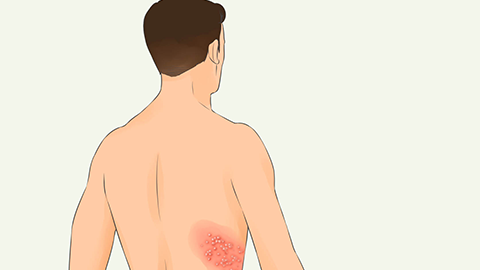
Standard treatment approaches for herpes typically include traditional Chinese medicine (TCM) formulations to suppress viral activity and modern antiviral agents, aiming to alleviate patient discomfort and minimize disease-related harm. This condition is often challenging to treat effectively; delayed or inadequate management may result in serious complications—including, in some cases, debilitating postherpetic neuralgia. Therefore, early diagnosis and prompt intervention are crucial for optimal outcomes. We hope this information proves helpful!








