


What should I do if my middle finger joint is painful, swollen, and tender to touch?
May 12, 2022
Source: Cainiu Health

Dr. Lin Yunfei
Introduction
Swelling of the middle finger joint may result from soft tissue contusion caused by trauma. Ice application within the first 24 hours can help reduce swelling, combined with topical medications for traumatic injuries. After 48 hours, heat application may be used to accelerate tissue healing. Rheumatoid arthritis can also cause swelling and pain in the finger joints, often triggered by cold exposure; local heat application may be highly effective in such cases.
Joint pain, swelling, and tenderness upon palpation are common symptoms that may occur in various parts of the body—for instance, at the middle finger joint. So, what should you do if your middle finger joint is painful, swollen, and tender to touch?
What to Do for Painful, Swollen, and Tender Middle Finger Joints
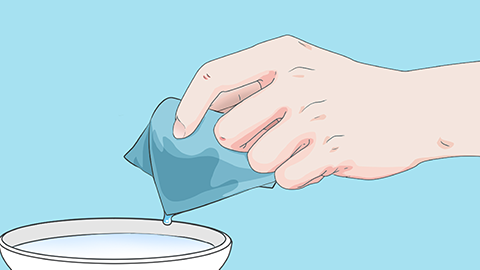
Swelling of the middle finger joint may result from soft-tissue contusion due to trauma. Within the first 24 hours, apply ice packs to reduce swelling, combined with topical medications for traumatic injuries (e.g., bruises and sprains). After 48 hours, switch to warm compresses to accelerate tissue healing. Rheumatoid arthritis can also cause finger joint swelling and pain—often triggered by cold exposure—and local heat application may be highly effective. If pain is severe, nonsteroidal anti-inflammatory drugs (NSAIDs) may be taken for symptomatic relief. Additionally, maintain warmth, follow a light diet avoiding raw, cold, or spicy foods, engage in regular physical exercise, and ensure adequate rest.
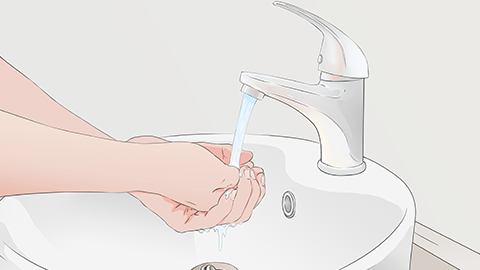
Bone and joint pain may arise from overuse or other causes—commonly resulting from intense physical activity or heavy manual labor. Such strain may injure the medial or lateral collateral ligaments of the joint, leading to localized tenderness, swelling, and restricted mobility. Chronic trauma or long-term overuse may cause excessive fluid accumulation within the synovial membrane, gradually increasing intra-articular pressure and resulting in joint swelling and tenderness.
In daily life, protect your fingers from external injury. It is advisable to consult an orthopedic or rheumatology specialist at a hospital for appropriate diagnostic evaluation and targeted treatment based on examination results. We hope this information proves helpful!



