


How to Treat Pain in the Middle Finger Joint
May 13, 2022
Source: Cainiu Health

Dr. Lin Yunfei
Introduction
Pain in the middle finger joint can be treated with oral analgesics such as ibuprofen or fentanyl. Causes of middle finger joint pain include rheumatoid arthritis, joint capsule rupture, and synovitis; specific treatment measures must be selected based on the underlying cause. Generally, isolated finger joint pain is often due to synovitis; patients may take sodium diclofenac to relieve pain, along with local heat application or other physical therapies.
In daily life, joint pain occasionally occurs. Although not a serious medical condition, it can cause significant discomfort and irritability when it arises. So, how is pain in the middle finger joint treated?
How to Treat Middle Finger Joint Pain
Middle finger joint pain can be managed with oral analgesics such as ibuprofen or fentanyl. Potential underlying causes include rheumatoid arthritis, joint capsule rupture, and synovitis; therefore, specific treatment strategies must be tailored according to the diagnosed etiology. Isolated pain in a single finger joint is commonly attributable to synovitis. In such cases, patients may take sodium diclofenac to alleviate pain, along with local heat application or other physical therapies.
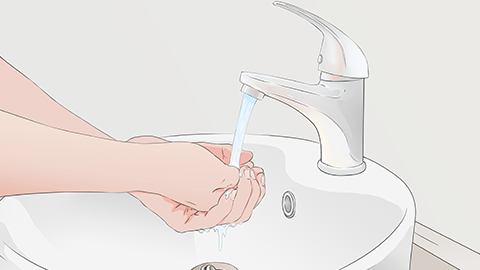
Soaking both wrists in warm water (approximately 40°C) helps promote blood circulation, resolve blood stasis, relax tendons, and unblock meridians—thereby enhancing local microcirculation, reducing inflammatory mediators, relieving pain, and preventing swelling of the finger joints. Topical application of medicated plasters may also provide symptomatic relief. Based on individual gastrointestinal function and allergy history, select an appropriate anti-inflammatory and analgesic medication to be taken after meals for optimal efficacy. Additionally, appropriate functional protection and targeted exercises are essential: rehabilitative training helps maintain finger joint mobility, prevents muscle atrophy and tendon adhesions, and—through comprehensive management—typically leads to resolution of finger joint swelling.
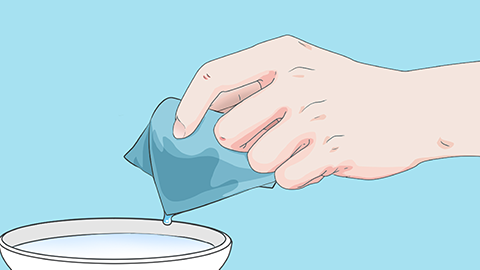
If sudden, severe joint pain occurs after consuming large amounts of beer, seafood, tofu, or organ meats, gout may be the likely cause. Management should focus on controlling serum uric acid levels, avoiding binge eating or excessive alcohol intake, and maintaining overall joint health. We hope this information proves helpful. Wishing you good health and a joyful life!





