


What causes dizziness, a heavy-headed sensation, and mental fogginess during a cold?
May 14, 2022
Source: Cainiu Health

Dr. Guo Xiheng
Introduction
Dizziness, a heavy or foggy sensation in the head, and mental fogginess during a cold can stem from multiple causes. For instance, prostaglandin levels rise in the body following a cold; prostaglandins may trigger cerebral vasospasm, leading to cerebral hypoxia—resulting in symptoms such as dizziness, head heaviness, and mental fogginess. Additionally, patients often develop fever during a cold, which increases fluid loss and may cause dehydration of brain tissue, further contributing to these symptoms.
The common cold is a relatively frequent illness in daily life. After catching a cold, individuals often experience dizziness, a sensation of heaviness or pressure in the head, and general mental fogginess.
What Causes Dizziness, Head Heaviness, and Mental Fogginess During a Cold?
There are multiple reasons for dizziness, head heaviness, and mental fogginess during a cold. For instance, prostaglandin levels increase in the body following a cold infection; elevated prostaglandins can trigger cerebral vasospasm, leading to cerebral hypoxia—resulting in dizziness, head heaviness, and mental fogginess. Additionally, fever—a common symptom of colds—causes increased fluid loss, potentially leading to mild cerebral dehydration and contributing to these symptoms. Nasal congestion, coughing, and insufficient sleep may also induce or exacerbate dizziness, head heaviness, and mental fogginess.
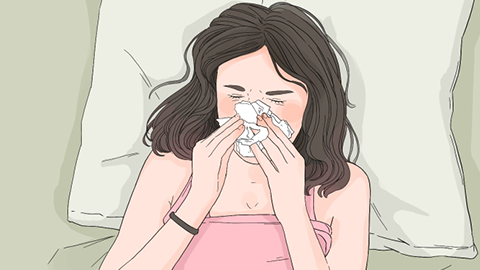
The common cold—also termed upper respiratory tract infection—is an umbrella term for acute inflammatory conditions affecting the nasal cavity and pharynx. It is a highly prevalent condition. Typical symptoms include dizziness, headache, fever, nasal congestion, and rhinorrhea. The primary treatment strategy focuses on managing the underlying cold itself; once the cold resolves, associated symptoms—including dizziness and mental fogginess—typically subside as well. With appropriate medication, symptom improvement usually occurs within approximately 3–5 days.

Patients should prioritize adequate rest and ensure sufficient sleep. Increasing fluid intake and maintaining a light, non-greasy diet are also recommended. In cases of severe symptoms, patients should seek medical guidance and follow prescribed pharmacotherapy accordingly. We hope this information proves helpful!








