


How to Relieve Pain from Heat-Induced Hemorrhoids
May 14, 2022
Source: Cainiu Health

Dr. He Haochen
Introduction
Conservative pharmacological treatment may be used, such as warm sitz baths with potassium permanganate solution (1:5000), performed 2–3 times daily for 5–10 minutes each session. After sitz baths, topical ointments—including Ma Ying Long Hemorrhoid Ointment or Jiu Hua Hemorrhoid Ointment—may be applied, along with topical antibiotics such as Mupirocin (Bactroban) or chloramphenicol eye ointment. These agents exert anti-inflammatory, anti-edematous, and analgesic effects. If symptoms do not significantly improve, surgical intervention should be actively pursued.
Many people suffer from hemorrhoids. When hemorrhoids cause severe pain, sitting becomes unbearable and sleeping is disrupted—significantly impairing quality of life and daily functioning. So, how can one relieve pain associated with “excess internal heat”-induced hemorrhoids?
How to Relieve Pain from “Excess Internal Heat”-Induced Hemorrhoids
Conservative pharmacological treatment may be used—for example, sitz baths with warm water containing potassium permanganate (diluted 1:5000), performed two to three times daily for 5–10 minutes each. After the sitz bath, topical applications such as Ma Ying Long Hemorrhoid Ointment or Jiu Hua Hemorrhoid Ointment, as well as Bactroban (mupirocin) ointment or chloramphenicol eye ointment, may be applied. These agents possess anti-inflammatory, anti-edematous, and analgesic properties. If symptoms fail to improve significantly, surgical intervention should be actively considered.
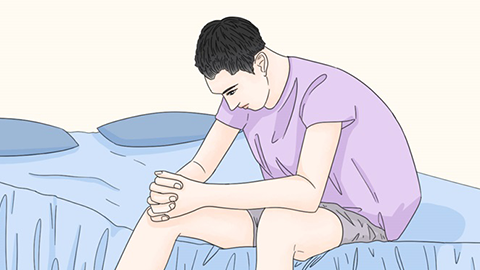
Hemorrhoids may cause painful defecation and post-defecation bleeding. It is advisable to consult a proctologist for evaluation. Maintain regular, soft bowel movements by consuming easily digestible foods and avoiding spicy or irritating foods. After bowel movements, take a warm sitz bath and apply hemorrhoid suppositories or ointments locally. Ensure adequate rest and personal hygiene—bathe regularly, change undergarments frequently, drink plenty of water, and cultivate healthy lifestyle and dietary habits. Avoid spicy and stimulating foods, and increase intake of high-fiber foods to promote soft, smooth bowel movements. Avoid prolonged straining during defecation.
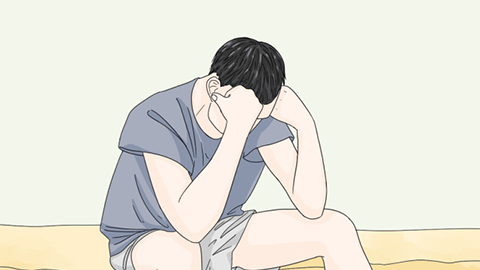
Mild hemorrhoids can often be gradually alleviated through dietary adjustments and physical activity. However, if hemorrhoidal pain becomes intolerable, it indicates a more severe condition. At this stage, pharmacological or procedural interventions are necessary to manage the hemorrhoids effectively—preventing further progression and complications. We hope this information proves helpful!


