


How should chronic angular cheilitis be treated?
May 17, 2022
Source: Cainiu Health

Dr. Zhang Liwen
Introduction
Chronic angular cheilitis should be cleaned with a mild saline solution. First, maintain good oral hygiene to prevent residual food from fostering pathogenic bacteria. Wipe away any oily residue around the mouth immediately after each meal, and remember to brush your teeth with toothpaste both morning and night to remove dental plaque. The affected corners of the mouth can be rinsed with a mild saline solution, which has antibacterial and anti-inflammatory properties. Vitamin B2 ointment may also be applied.
Angular cheilitis—commonly referred to as “cracked corners of the mouth”—typically manifests as inflammation affecting one or both corners of the mouth. Medically, it is termed angular stomatitis. So, how should chronic angular cheilitis be treated?
How to Treat Chronic Angular Cheilitis
Chronic angular cheilitis should be cleaned with a mild saline solution. First, maintain rigorous oral hygiene to prevent residual food particles from fostering pathogenic bacteria. Wipe away any oily residue around the mouth immediately after each meal. Remember to brush your teeth thoroughly with toothpaste twice daily—morning and evening—to remove dental plaque. The affected area can also be gently rinsed with a mild saline solution, which possesses antibacterial and anti-inflammatory properties. Topical application or oral supplementation of vitamin B2 (riboflavin) is recommended. Deficiency in vitamin B2 is a common underlying cause of angular cheilitis; supplementing this vitamin either orally or topically can promote rapid and effective wound healing.
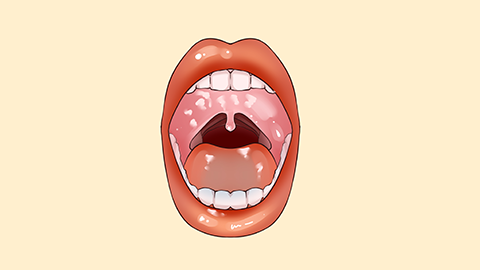
Antibiotics may also be used. Since antibiotics inhibit bacterial proliferation and infection, patients with persistent angular cheilitis may apply an antibiotic ointment directly to the affected area. With regular application over several days, a scab may form over the lesion. Once the scab naturally sloughs off, symptoms of angular cheilitis typically resolve.
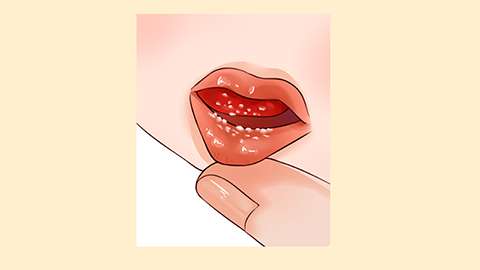
If angular cheilitis persists chronically, it may indicate deficiencies in trace elements (e.g., zinc) or vitamins. In such cases, oral zinc gluconate supplementation—or combined supplementation with B-complex vitamins—is advisable. Additionally, increase daily water intake and consume more vegetables. Avoid monosodium glutamate (MSG) and chicken, as these may enhance urinary zinc excretion. Zinc deficiency itself may contribute to angular cheilitis, and viral infection remains another possible etiology; thus, antiviral therapy may be warranted. We hope this article has been helpful. Wishing you a joyful life and optimal health!





