


How to Treat Acne Caused by Skin Allergy
May 18, 2022
Source: Cainiu Health

Dr. Liu Wan
Introduction
Treatment for Allergic Skin Reactions and Acne:
If the skin condition is caused by an allergic reaction, oral antihistamines—such as levocetirizine dihydrochloride capsules or loratadine dispersible tablets—may be taken, preferably in combination with vitamin C for enhanced efficacy.
In daily life, avoid alcohol consumption; refrain from scratching or rubbing the affected areas with your hands; wear loose-fitting, breathable clothing; and avoid wearing makeup for the next few days.
In daily life, skin allergy is a very common dermatological condition. However, some patients develop acne (pimples) following skin allergy. So, how should acne triggered by skin allergy be treated?
How to Treat Acne Caused by Skin Allergy
Treatment approaches for acne associated with skin allergy include: If the skin condition is allergy-induced, oral antihistamines—such as levocetirizine hydrochloride capsules or loratadine dispersible tablets—may be prescribed, preferably combined with vitamin C supplementation for enhanced efficacy. Patients should avoid alcohol consumption, refrain from scratching affected areas with their hands, and wear loose, breathable clothing. Avoid applying makeup for several days, maintain local cleanliness, and wash the face with lukewarm (neither excessively hot nor cold) water. Topical application of calamine lotion is also recommended.
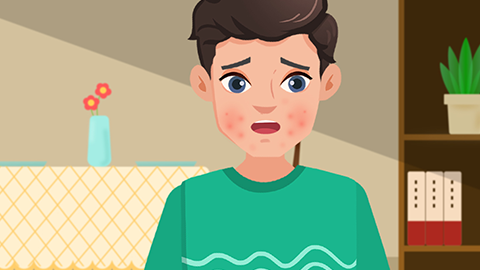
Skin allergy is the most prevalent dermatological disorder—and also one of the most challenging to diagnose etiologically. While certain causes—such as drug eruptions, contact dermatitis, or insect bites—can be clearly identified, in many cases the precise trigger remains elusive. Autoimmune or auto-sensitive allergic disorders pose even greater diagnostic challenges, as the underlying allergen is often difficult to pinpoint. Most individuals require gradual recovery through constitutional regulation. Additional diagnostic options include serum allergen testing, patch testing, and skin prick testing. Patients whose symptoms persist or remain poorly controlled should seek timely, standardized medical evaluation at a hospital, where a dermatologist can formulate an individualized treatment plan.

To identify potential triggers, consider the timing of symptom onset and whether exposure to any unusual substances occurred. The primary goal is to determine the specific allergen responsible. Consulting a specialist and undergoing relevant diagnostic tests can help clarify the cause. We hope this article proves helpful to you!




