


Can people with high uric acid levels eat chocolate?
May 18, 2022
Source: Cainiu Health

Dr. Liu Aihua
Introduction
Patients with hyperuricemia may consume chocolate in moderation, but should avoid excessive intake—especially chocolates high in sugar—to prevent elevated blood glucose levels and disease progression. Due to its high caloric content, chocolate is best avoided by obese patients. Chocolate should also be avoided during acute gout attacks. Patients should follow a light, balanced diet, emphasizing low-sugar, low-salt, and low-fat foods.
While people focus on the nutritional benefits these foods provide to the body, they often overlook the purine content they contain. Excess purine can lead to a distinct health condition—elevated uric acid levels. So, can individuals with high uric acid consume chocolate?
Can individuals with high uric acid consume chocolate?
Individuals with elevated uric acid levels may consume chocolate in moderation, but should avoid excessive intake—especially chocolates high in sugar—to prevent spikes in blood glucose and potential worsening of their condition. Chocolate is calorie-dense; thus, individuals with obesity are advised to avoid it altogether. It should also be avoided during acute gout attacks. Patients should follow a light, balanced diet—low in sugar, salt, and fat—and strictly avoid high-purine foods, such as seafood, soy products, soft drinks, and carbonated beverages—all of which are notably rich in purines.
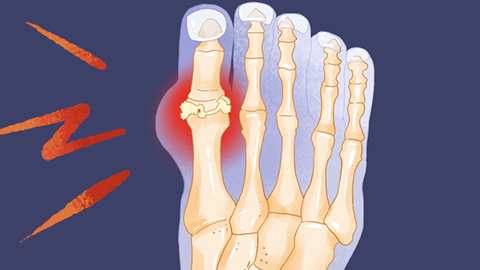
Avoid high-calorie, greasy foods, organ meats, and seafood. Elevated uric acid levels are associated with personal lifestyle habits, dietary patterns, and psychological stress. Drinking plenty of warm water, engaging in moderate physical activity to enhance metabolism, and abstaining from alcohol are all recommended.

Uric acid is the end product of purine metabolism in the human body; therefore, when uric acid levels are elevated, a low-purine diet is strongly recommended. Suitable low-purine vegetables include spinach, wood ear fungus, mustard greens, cauliflower, Chinese cabbage, radish, tomato, cucumber, eggplant, onion, potato, and bamboo shoots. Recommended fruits include peach, apricot, banana, apple, jujube (red date), pear, mango, tangerine, orange, lemon, grape, pomegranate, loquat, pineapple, plum, kumquat, watermelon, winter melon, papaya, and others. We hope this article has been helpful. Wishing you a joyful life and optimal health!



