


Which Fruits Should Be Avoided with High Uric Acid Levels?
May 19, 2022
Source: Cainiu Health

Dr. Liu Aihua
Introduction
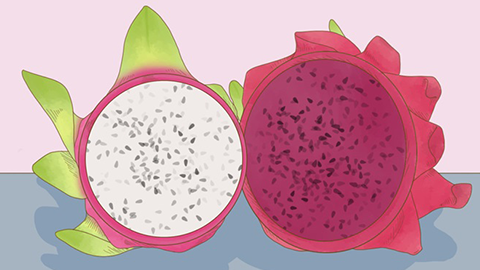
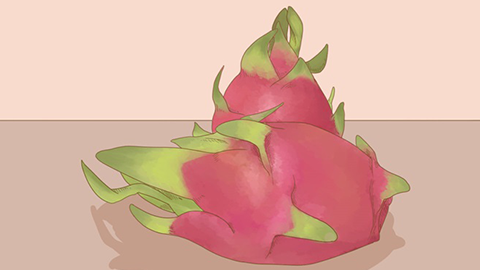
Patients with hyperuricemia are advised to avoid high-sugar fruits, such as watermelon, grapes, dragon fruit, passion fruit, hawthorn, and ginseng. This is because sugars, upon metabolism in the body, can impair uric acid excretion to some extent, thereby elevating serum uric acid levels. Additionally, patients with elevated uric acid levels should also avoid stimulating fruits such as durian, pineapple, and mango.
With improvements in living standards, an increasing number of people are experiencing hyperuricemia (elevated uric acid levels) in daily life—not only harming their physical health but also significantly affecting their quality of life and work performance. Understanding this condition is essential for effective prevention and treatment. So, which fruits should individuals with high uric acid avoid?
Fruits to Avoid with Hyperuricemia
Patients with elevated uric acid levels are advised to avoid fruits high in sugar, such as watermelon, grapes, dragon fruit, passion fruit, hawthorn, and ginseng. After ingestion, sugars are metabolized in the body and may impair uric acid excretion to some extent, thereby raising serum uric acid levels. Additionally, patients with hyperuricemia should also limit consumption of stimulating fruits—including durian, pineapple, and mango—as these may burden the gastrointestinal tract, hinder the digestion and absorption of uric acid–lowering medications, and impede disease recovery.
Individuals with hyperuricemia must adopt lifestyle interventions. For example, those who are overweight should engage in appropriate physical activity to gradually reduce body weight to an ideal range. Ideal body weight can be roughly estimated using a simple calculation: subtract 105 from height (in centimeters). Patients should also minimize intake of high-purine foods—such as organ meats and sardines—and restrict consumption of high-protein foods and sugary beverages. Increasing daily water intake is recommended to promote uric acid excretion.
In daily life, avoid spicy and irritating foods, drink plenty of water to support metabolism, and engage in moderate outdoor exercise to strengthen immunity. We hope this information proves helpful!







