


Normal Blood Pressure Values
May 22, 2022
Source: Cainiu Health

Dr. Li Man
Introduction
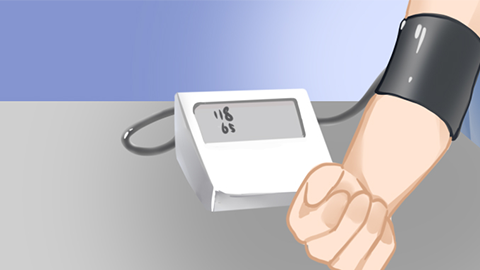
Normal blood pressure is defined as a systolic pressure of 90–139 mmHg and a diastolic pressure of 60–89 mmHg. Hypertension is diagnosed when the systolic pressure is ≥140 mmHg and/or the diastolic pressure is ≥90 mmHg. Stage 1 hypertension is defined as a systolic pressure of 140–159 mmHg and/or a diastolic pressure of 90–99 mmHg.
Hypertension is a comprehensive disorder characterized by elevated systemic arterial blood pressure, often accompanied by functional or structural impairments of the heart, brain, kidneys, and other organs. So, what constitutes a normal blood pressure reading?
Normal Blood Pressure Values
Normal blood pressure is defined as systolic pressure between 90–139 mmHg and diastolic pressure between 60–89 mmHg. Hypertension is diagnosed when systolic pressure reaches or exceeds 140 mmHg and/or diastolic pressure reaches or exceeds 90 mmHg. Specifically:
- Stage 1 Hypertension: Systolic pressure of 140–159 mmHg and/or diastolic pressure of 90–99 mmHg.
- Stage 2 Hypertension: Systolic pressure of 160–179 mmHg and/or diastolic pressure of 100–109 mmHg.
- Stage 3 (Severe) Hypertension: Systolic pressure ≥180 mmHg and/or diastolic pressure ≥110 mmHg—often associated with complications involving the heart, brain, kidneys, or other organs, requiring pharmacological antihypertensive treatment.
For Stage 1 hypertension, lifestyle modifications are the first-line approach to lower blood pressure. If blood pressure remains uncontrolled after six months, combination antihypertensive drug therapy may be necessary.
For Stage 2 hypertension, lifestyle changes should be initiated immediately and maintained for at least three months. If blood pressure remains inadequately controlled, pharmacologic treatment is indicated.
The primary physiological determinants of hypertension include heart rate and peripheral vascular resistance. An elevated heart rate tends to increase diastolic pressure, while increased peripheral vascular resistance also contributes to higher diastolic pressure.

Factors such as obesity, excessive dietary sodium intake, and chronic smoking or alcohol consumption increase peripheral vascular resistance, thereby elevating diastolic pressure. Emotional excitement, tension, anxiety, and prolonged mental exertion can stimulate the sympathetic nervous system, leading to tachycardia and subsequent elevation in diastolic pressure.
We hope this article has been helpful to you. Wishing you a joyful life and optimal health!






